
TL;DR:
- Strong collaboration significantly improves team productivity, engagement, profitability, and reduces turnover.
- Effective workshops require clear objectives, skilled facilitation, a safe environment, and proper follow-up.
- Genuine teamwork is built through hands-on experiences, cultural exchange, reflection, and continuous reinforcement.
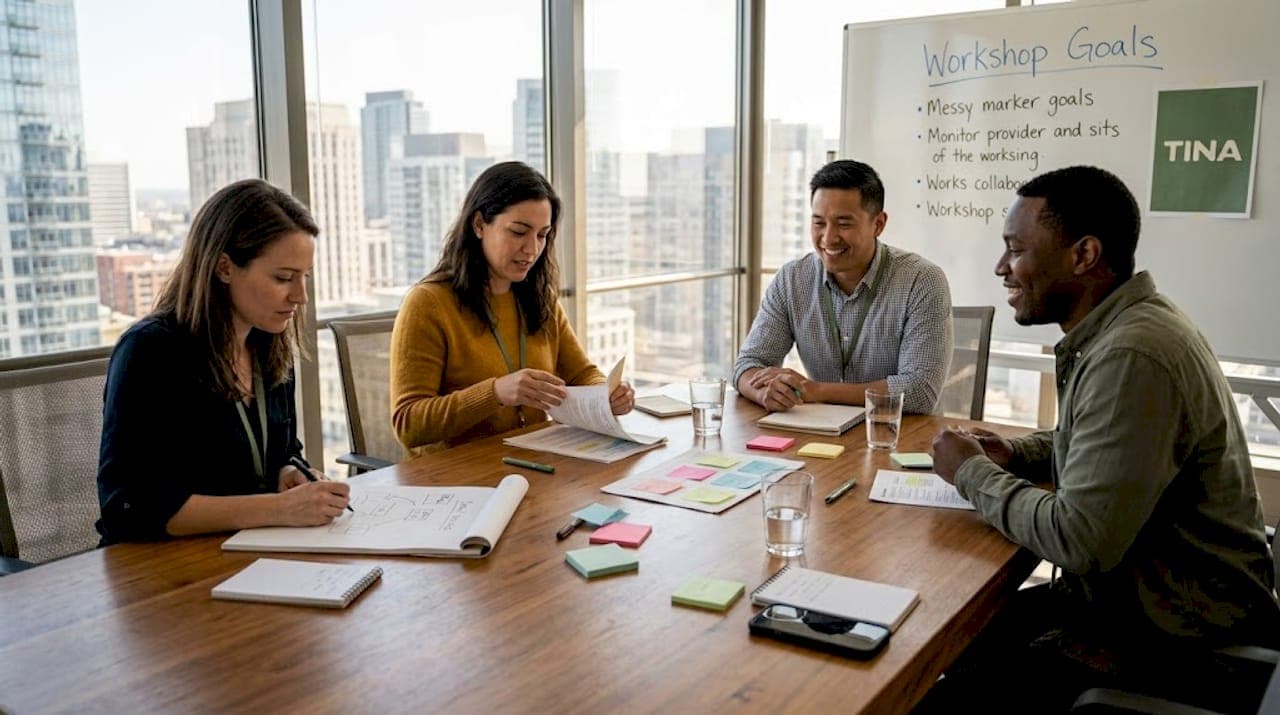
Teams in Berlin know the frustration well. You plan a strategy day, everyone nods along, and by Monday the same silos are back. Real collaboration doesn't happen through slides or icebreaker questions. It happens when people work side by side on something real, something they've never done before. Strong collaboration cuts turnover intentions by 24%, boosts profitability 21%, and lifts productivity by 25 to 30%. Those numbers matter. This guide gives you a step-by-step, practical framework for building genuine teamwork through hands-on workshops, with Berlin-specific insights your team will actually feel.
Table of Contents
- Why collaboration matters for high-performing teams
- Preparing for success: Setting the stage for collaboration
- Step-by-step: Facilitating engaging hands-on collaboration workshops
- Overcoming common challenges and ensuring lasting impact
- Our perspective: What most workshops get wrong and how to do better
- Discover hands-on team building in Berlin with TINA
- Frequently asked questions
Key Takeaways
| Point | Details |
|---|---|
| Collaboration drives results | Well-structured teamwork increases productivity, lowers turnover, and boosts profits. |
| Workshops make impact tangible | Hands-on activities build trust and engagement more effectively than theory alone. |
| Preparation is essential | Setting objectives and ensuring psychological safety is key to workshop success. |
| Sustain positive habits | Continued reinforcement after events ensures long-lasting collaboration improvements. |
Why collaboration matters for high-performing teams
Let's talk about what's really at stake when collaboration breaks down. Projects stall. Good people leave. Innovation slows to a crawl. If you've ever watched two departments talk past each other for weeks, you already know the cost.
The data backs this up clearly. Collaboration training raises engagement by 23%, while teams with strong collaborative cultures see 21% greater profitability and 25 to 30% higher productivity. A field experiment across 281 teams found that leaders who actively motivate and coordinate their people produce measurably better outcomes. These aren't soft results. They're business results.
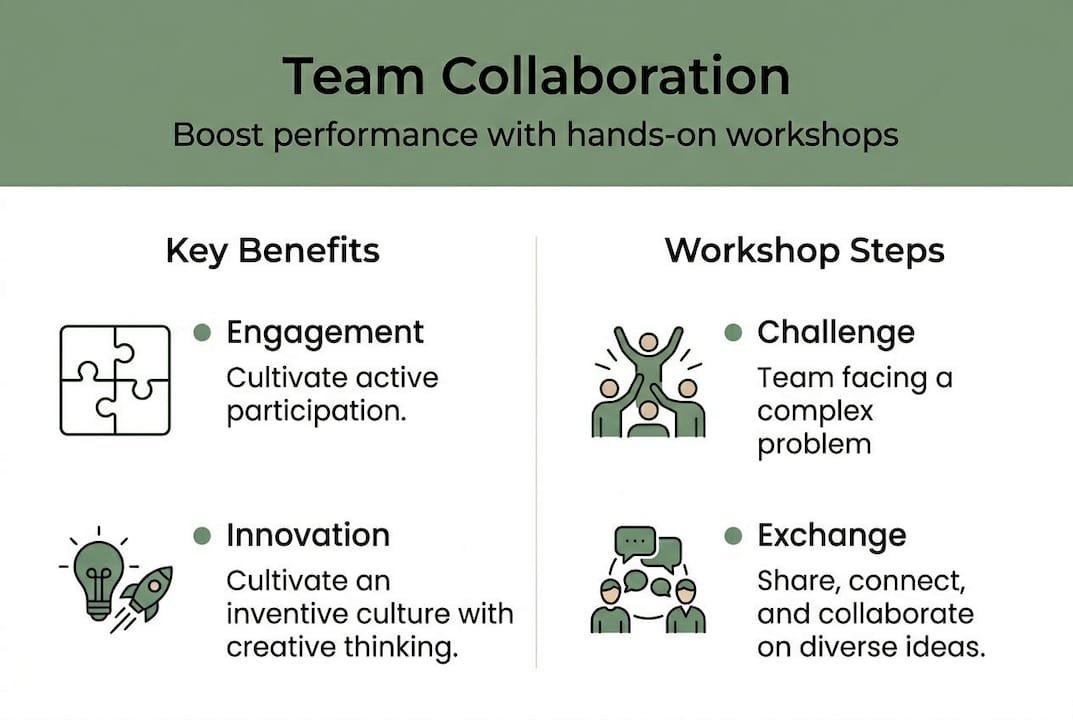
For HR managers and team leads in Berlin, this is especially relevant. Berlin's corporate landscape is international, fast-moving, and diverse. That diversity is a strength, but only when teams know how to tap into it together. Understanding the team building impact on company culture is the first step.
Here's what poor collaboration typically looks like in practice:
- 🚧 Missed project deadlines because of unclear communication
- 😶 Low participation in meetings, especially from quieter team members
- 🔄 Repeated misunderstandings between departments
- 📉 High turnover among talented people who feel disconnected
Before vs. after strong collaboration interventions
| Area | Before intervention | After intervention |
|---|---|---|
| Turnover intention | High, especially mid-level | 24% lower |
| Team productivity | Inconsistent | 25 to 30% higher |
| Employee engagement | Passive participation | 23% increase |
| Profitability | Missed targets | 21% improvement |
These shifts don't happen by accident. They come from intentional work, including the kind of creative workshops for teamwork that push people out of their everyday roles and into genuine connection. That's where the real transformation begins.
Preparing for success: Setting the stage for collaboration
Before you book a venue or announce a workshop date, you need a clear plan. The most common mistake leaders make? Jumping straight to the activity without defining what success looks like. A pottery session is fun. A pottery session designed to build trust and break hierarchy is transformational.
Start by defining your objectives. Are you trying to improve communication across departments? Build trust after a difficult reorganization? Welcome new hires into the team culture? Your goal shapes every decision that follows. Workshop-based team events work best when they're built around a specific, honest purpose.
Essential requirements checklist:
- 📋 Clear objectives shared with participants in advance
- 🏛️ Venue suited to hands-on activity (atelier, studio, or your own office)
- 🎨 A skilled facilitator who understands group dynamics
- 👥 Participant buy-in, not just mandatory attendance
- 📝 Pre-workshop survey to capture team needs and comfort levels
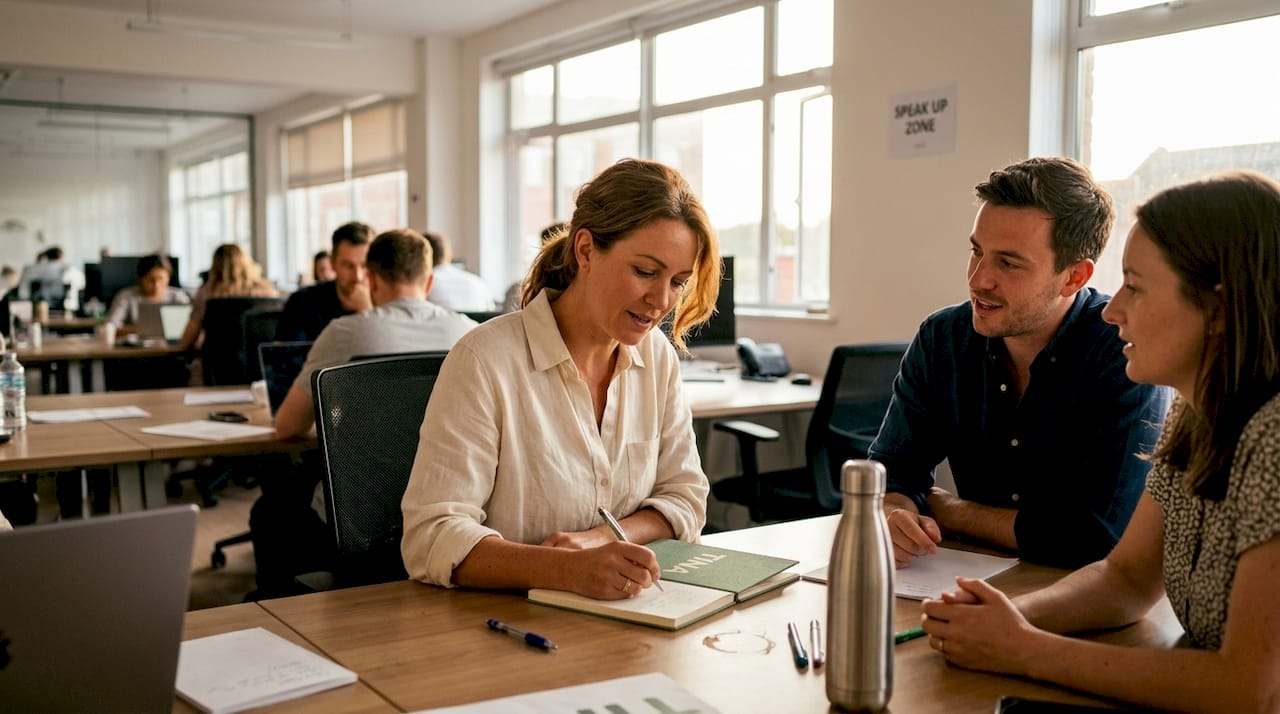
One thing that's easy to overlook is psychological safety. This means making sure every person in the room feels safe enough to try, fail, and contribute without judgment. Institutions like ESMT Berlin build psychological safety directly into their executive leadership programs because they know it's foundational to any real collaboration. Without it, workshops become performances rather than genuine experiences.
Workshop preparation requirements
| Requirement | Why it matters | Who's responsible |
|---|---|---|
| Clear objective | Keeps activities purposeful | HR manager or team lead |
| Skilled facilitator | Guides dynamics, not just logistics | External or internal |
| Pre-survey | Customizes experience to team needs | HR team |
| Inclusive venue | Sets a neutral, creative tone | Event organizer |
| Follow-up plan | Ensures results stick | Team lead |
Pro Tip: Send a short pre-workshop survey (5 questions max) asking about communication challenges and what participants hope to get out of the session. The answers will help you shape the day around real needs, and they signal to your team that their input actually matters. Explore cultural workshops for corporates to see how framing the experience culturally also increases engagement before the event even starts.
Step-by-step: Facilitating engaging hands-on collaboration workshops
Now for the practical part. Running a workshop that actually moves the needle on collaboration takes structure, flexibility, and a willingness to get a little messy.
Step 1: Open with a shared challenge. Start with something everyone is equally unprepared for. This is the secret ingredient. When a senior manager and a new team member are both struggling to center clay on a pottery wheel, the social hierarchy dissolves. Try something genuinely new. You can explore the full artisan workshops workflow to understand how to sequence a session effectively.
Step 2: Build in a cultural exchange moment. Introduce context about the craft. Where does it come from? What does it mean? This creates natural conversation and curiosity across the group. It also shifts the tone from "corporate activity" to "genuine experience."
Step 3: Assign collaborative sub-tasks. Divide teams into small groups with a shared creative goal. Each group needs to produce something together. Accountability and co-creation happen naturally when there's a tangible output. Authentic team building activities consistently show that physical, hands-on tasks create stronger bonds than verbal exercises.
Step 4: Debrief and reflect. This step gets skipped most often, and it's where the real learning lives. Ask the group: What surprised you? Where did you have to rely on someone else? What would you do differently?
Step 5: Commit to one follow-up action. Each person or team should leave with a specific, simple commitment. Not a vague "let's collaborate more," but a real next step.
The workshops that stick aren't the loudest or most expensive. They're the ones where people felt genuinely seen and challenged. That's when real collaboration begins.
ESMT Berlin's executive programs use hands-on labs for exactly this reason: experiential learning with built-in psychological safety produces results that slide presentations simply can't. Using storytelling in team building as part of the debrief amplifies those results even further.
Pro Tip: During the workshop, quietly observe who steps up, who holds back, and who bridges the two. That real-time data is gold for post-event coaching conversations.
Overcoming common challenges and ensuring lasting impact
Even a brilliant workshop can fade fast if you don't plan for what comes after. Most collaboration efforts stall for three predictable reasons: no follow-through, unclear original objectives, or weak psychological safety that made the experience feel performative rather than real.
Here's how to troubleshoot the most common post-workshop issues:
- 🔕 Momentum drops after the event: Schedule a 30-minute team check-in within two weeks. Remind people of their commitments.
- 😬 Quieter voices stayed quiet: Create a structured channel (anonymous or small-group) for ongoing feedback.
- 🎭 It felt like theater: Revisit your objectives. If the activity didn't connect to real team challenges, next time it needs to.
- 📊 No visible results: You need baseline data. Survey before and after. Track engagement and productivity over 60 to 90 days.
The research is direct: collaboration training raises engagement by 23%. But that number only materializes if you reinforce the behaviors that workshops introduce. A single session is a spark. Your follow-up plan is the fuel. The corporate team bonding guide for Berlin teams is a strong resource for structuring ongoing efforts.
Quick-reference: Strategies for lasting collaboration impact
| Challenge | Solution | Timeline |
|---|---|---|
| Momentum loss | Scheduled follow-up session | Within 2 weeks |
| Unclear results | Pre and post surveys | Ongoing, 60 to 90 days |
| Passive participation | Small-group or anonymous input channels | Immediate |
| Skills not applied | Manager reinforcement conversations | Weekly for 1 month |
| Regression to old habits | Quarterly workshop or check-in | Every 3 months |
The goal isn't a single great afternoon. It's a team that collaborates differently every day after.
Our perspective: What most workshops get wrong and how to do better
Here's the uncomfortable truth: most corporate workshops are designed to be fun, not effective. There's a big difference. Fun is easy to sell and easy to forget. Effectiveness requires intentional design, cultural depth, and honest follow-up.
We've seen it repeatedly in Berlin. Teams do a cooking class, laugh for three hours, and then return to the same communication patterns on Monday morning. The activity was enjoyable. But nothing was designed to change.
What actually works? Workshops that embed cultural exploration. When people learn something real about craft, tradition, or artisan skill, they engage differently. They ask questions. They listen. The experience gives them boosting teamwork with creativity as a byproduct of genuine curiosity, not forced fun.
Psychological safety is also far harder to create than most leaders realize. You can't announce it. You have to build it slowly, through consistent modeling, honest conversation, and experiences that put everyone on equal footing. An intern and a team lead struggling equally with a pasta dough are, for that moment, just two people. That moment matters more than any team charter.
Discover hands-on team building in Berlin with TINA
You've got the framework. Now it's time to put it into practice. TINA connects Berlin teams with real artisans and genuinely creative workshops that do exactly what this guide describes: break down hierarchy, spark cultural curiosity, and create bonds that outlast the event.
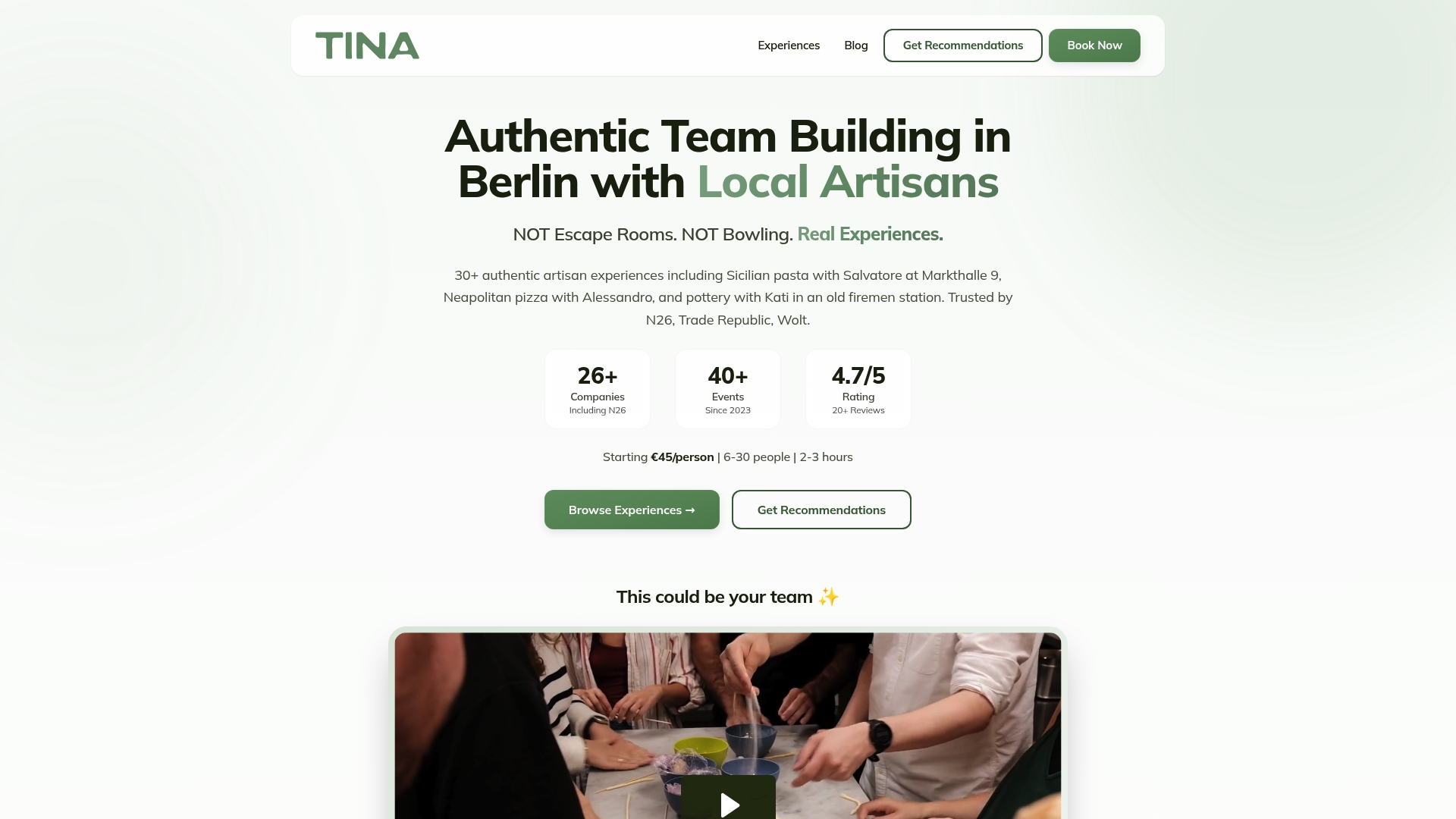
Whether your team needs a relaxed outdoor experience like a Team Lake Day or a creative session like a company merchandise workshop, TINA has something that fits. Every experience is designed with intentional collaboration in mind, not just a fun afternoon. Browse all available workshops and book directly at tinaexperiences.com. Transparent pricing, real artisans, and a process your team will actually remember.
Frequently asked questions
What are the most effective activities for team collaboration?
Hands-on workshops focused on problem-solving, cultural exchange, and creative challenges consistently produce the highest gains. ESMT Berlin's programs confirm that experiential learning with built-in collaboration outperforms traditional formats.
How can collaboration workshops reduce turnover and boost profits?
Workplaces practicing strong collaboration see 24% lower turnover intentions, 21% greater profitability, and 25 to 30% higher productivity. Consistent investment in collaborative culture drives these results over time.
What is psychological safety, and why does it matter for teams?
Psychological safety means team members feel secure enough to speak up, take risks, and admit mistakes without fear. ESMT Berlin labs treat it as foundational to any meaningful collaboration or leadership development.
How can we measure if collaboration is really improving?
Run pre and post surveys around each workshop, then track engagement, productivity, and retention over 60 to 90 days. Collaboration training raises engagement by 23%, but measurement is what makes improvement visible and sustainable.