
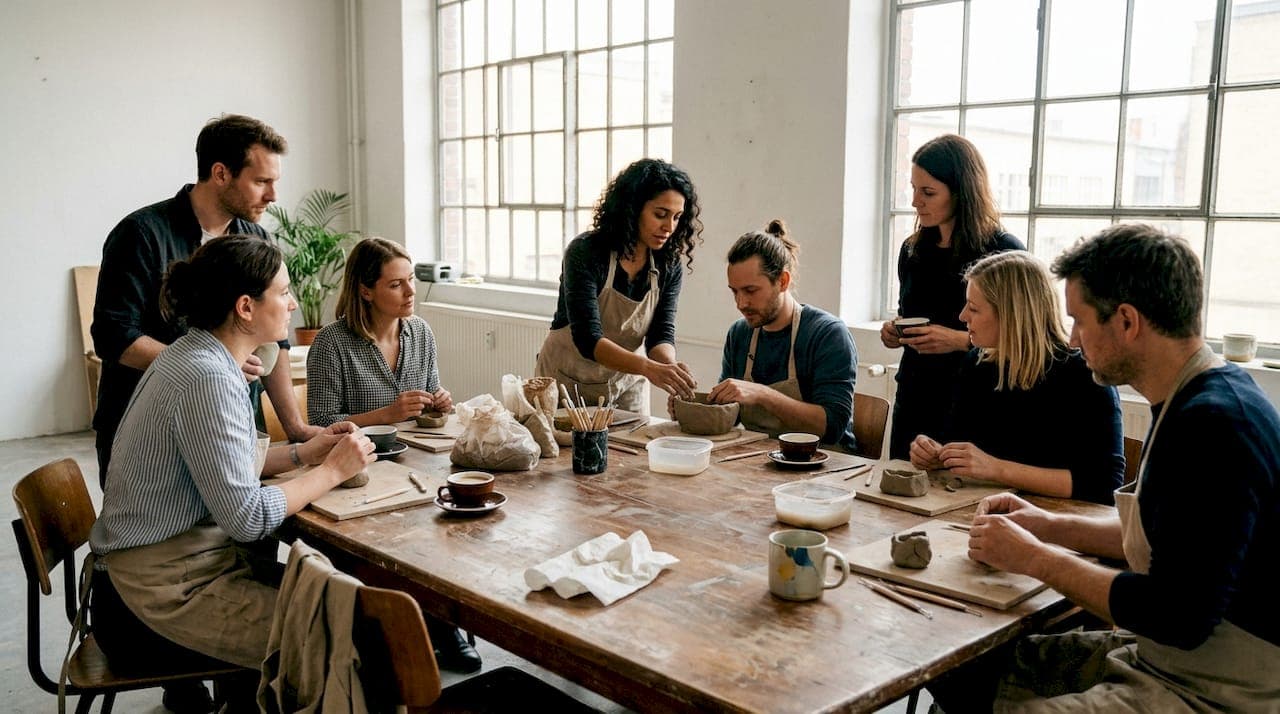
Corporate teams in Berlin face a common dilemma when planning team bonding events. Traditional activities like escape rooms or bowling often feel hollow, failing to create lasting connections or meaningful experiences. Artisan workshops offer a refreshing alternative by combining hands-on creativity with cultural immersion. These experiences guide teams through authentic craft techniques led by local artisans, from pottery and papermaking to mosaic lamps and plant crafts. This guide walks you through the complete workflow for planning and executing artisan team bonding in Berlin, covering prerequisites, step-by-step execution, common challenges, and expected outcomes that transform your team dynamics.
Table of Contents
- What You Need: Prerequisites And Preparation For Artisan Team Bonding In Berlin
- Step-By-Step Execution: The Artisan Team Bonding Workflow
- Troubleshooting And Optimizing Artisan Workshops For Team Bonding Success
- Expected Outcomes: Cultural Appreciation And Team Cohesion From Artisan Bonding
- Discover Artisan Team Building Workshops In Berlin With TINA Experiences
- Frequently Asked Questions
Key takeaways
| Point | Details |
|---|---|
| Workflow structure | Sessions follow a four-phase process: instructor-led technique introduction, hands-on creation, personal customization, and finished artwork takeaway. |
| Session logistics | Workshops last 2 to 2.5 hours with groups of 5 to 35 participants, requiring no prior skills or special preparation. |
| Team benefits | Hands-on artisanal activities improve mood, communication, and trust while reducing social loafing and conflict. |
| Cultural immersion | Authentic local artisan techniques provide meaningful context beyond typical corporate bonding exercises. |
| Flexible delivery | Mobile workshops bring materials and instruction to your office, while venue-based options offer specialized equipment and dedicated creative spaces. |
What you need: prerequisites and preparation for artisan team bonding in Berlin
Planning an artisan workshop requires understanding the available options and logistical considerations. Berlin offers multiple artisan workshops for corporate team bonding including pottery, papermaking, plant crafts, coffee marbling, and mosaic lamps. Each workshop type brings unique cultural elements and creative processes to your team bonding experience.
Pottery workshops introduce French ceramic techniques where teams shape clay on wheels or hand-build vessels. Papermaking sessions explore traditional pulp creation and decorative pressing methods. Plant craft workshops combine urban foraging with botanical arrangement skills. Coffee marbling teaches Turkish Ebru art using pigments floated on water. Mosaic lamp workshops blend oriental design traditions with upcycled materials.
Workshop durations typically span 2 to 2.5 hours depending on complexity. Group sizes accommodate 5 to 35 participants, though optimal engagement occurs with smaller cohorts. Most providers include all materials, tools, and expert instruction in their packages. No prior artistic skills or experience are required, making these activities genuinely accessible to every team member regardless of background.
Mobile workshop options increase flexibility by bringing the artisan experience directly to your office location. This eliminates travel time and creates a comfortable environment for employees who prefer familiar surroundings. Venue-based workshops typically offer more specialized equipment and dedicated creative spaces that enhance the immersive quality of the experience.
Pro Tip: Keep groups under 13 participants when possible to maximize personal connection and minimize diluted engagement that occurs in larger gatherings.
One critical consideration for ceramic workshops involves firing timelines. Pottery pieces require kiln firing and glazing, which adds a 3 to 6 week delay before participants can collect their finished artwork. This extended timeline actually strengthens the bonding impact by creating anticipation and a lasting tangible reminder of the shared experience.
| Workshop Type | Duration | Group Size | Cultural Focus | Materials Provided |
|---|---|---|---|---|
| Pottery | 2.5 hours | 5-15 | French ceramics | Clay, wheels, glazes, tools |
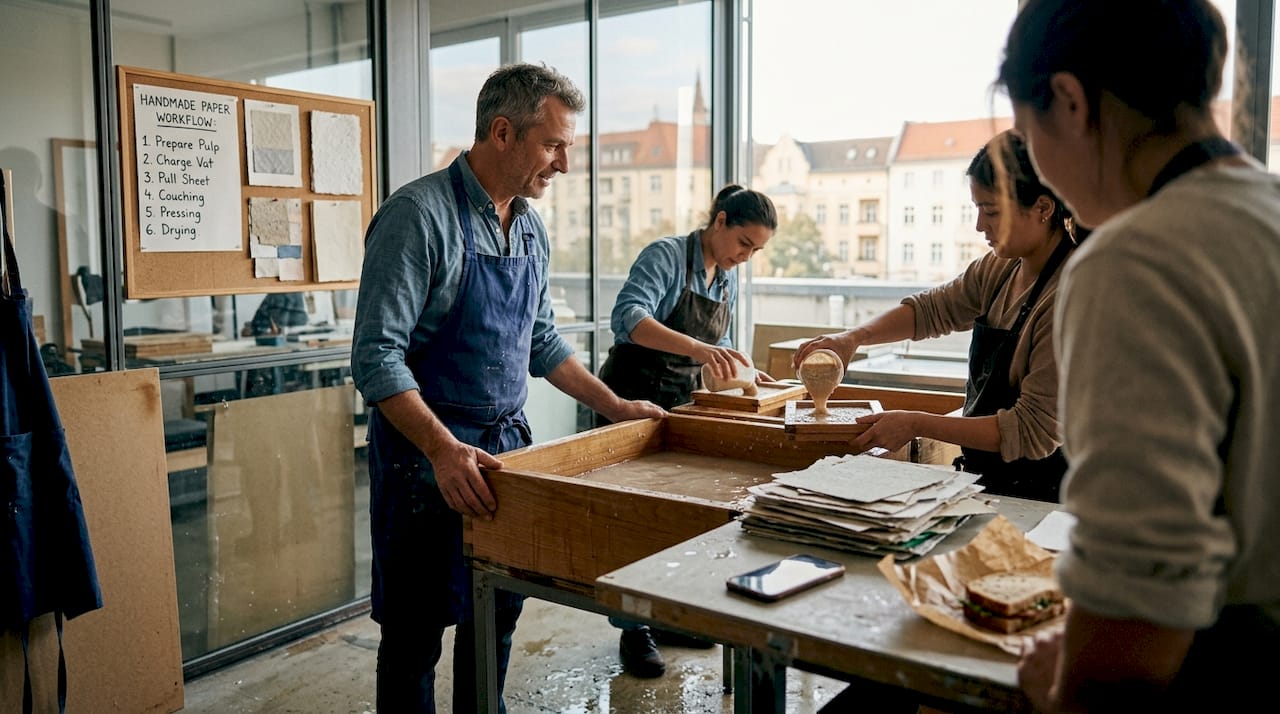
| Papermaking | 2 hours | 8-20 | Traditional pulp craft | Pulp, screens, presses, dyes |
| Plant crafts | 2 hours | 6-25 | Urban foraging | Foraged materials, vessels, wire |
| Coffee marbling | 2 hours | 10-30 | Turkish Ebru art | Pigments, water trays, paper |
| Mosaic lamps | 2.5 hours | 5-35 | Oriental design | Glass pieces, lamp bases, grout |
When selecting a workshop, consider your team's interests and the cultural narratives that resonate with your organizational values. Creative workshops in Berlin span diverse traditions, allowing you to choose experiences that align with your team building objectives.
Step-by-step execution: the artisan team bonding workflow
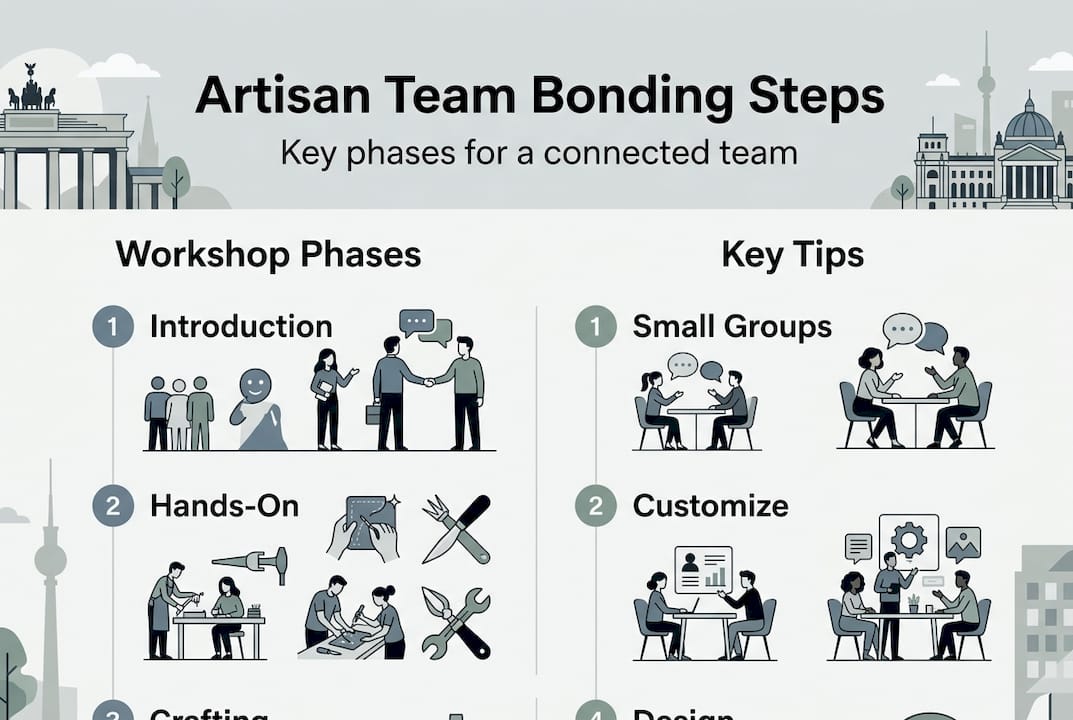
The artisan workshop workflow follows a deliberate four-phase structure designed to maximize engagement and cultural appreciation. Understanding each phase helps HR managers set appropriate expectations and prepare teams for the experience.
Phase 1: Cultural introduction and technique demonstration. The session begins with your instructor sharing the historical and cultural context behind the craft. For Turkish coffee marbling, this might include stories about Ottoman palace artists. For pottery, you might learn about French ceramic traditions and regional clay properties. This storytelling phase typically lasts 15 to 20 minutes and sets the foundation for meaningful engagement. The instructor then demonstrates core techniques, showing proper hand positions, tool usage, and movement patterns that participants will practice.
Phase 2: Hands-on creation with guided practice. Teams transition into active creation, working individually or in small collaborative groups. The workflow promotes sensory engagement through direct material interaction, whether shaping wet clay, floating pigments on water, or arranging botanical elements. Instructors circulate to provide personalized guidance, troubleshoot challenges, and encourage experimentation. This phase occupies the majority of session time, typically 60 to 90 minutes depending on craft complexity.
Phase 3: Personal customization and artistic expression. Once participants master basic techniques, they customize their pieces using textures, patterns, glazes, or color combinations. This phase emphasizes individual creativity within the shared experience. Teams often naturally begin discussing their design choices, sharing inspiration sources, and offering mutual encouragement. The non-competitive atmosphere allows genuine collaboration without the pressure of winning or performing that characterizes typical corporate games.
Phase 4: Completion and takeaway preparation. Sessions conclude with artwork finishing or preparation for post-workshop processing. For playful clay workshops, pieces are carefully packaged for firing and participants receive pickup instructions. For mosaic art workshops, teams complete their lamps during the session and take them home immediately. This tangible takeaway creates a lasting physical reminder of the bonding experience that extends impact beyond the event itself.
Pro Tip: Encourage teams to share the cultural stories they learned during the workshop in your next team meeting to deepen appreciation and reinforce connections formed during the creative process.
These workshops promote collaboration without competition, creating space for mindfulness and genuine interpersonal connection. The slow, deliberate nature of artisanal work contrasts sharply with rushed competitive activities, allowing team members to engage at a comfortable pace that accommodates different working styles and personalities.
Troubleshooting and optimizing artisan workshops for team bonding success
Even well-planned artisan workshops can encounter challenges that diminish their bonding impact. Understanding common pitfalls and optimization strategies helps HR managers maximize return on investment.
Group size management presents the most frequent challenge. While many workshops accommodate up to 35 participants, engagement quality decreases significantly above 13 people. Larger groups dilute instructor attention, reduce opportunities for meaningful conversation, and create logistical bottlenecks around shared materials and equipment. Consider splitting large teams into multiple sessions or selecting workshops specifically designed for bigger cohorts.
Ceramic workshop timelines require clear communication. The 3 to 6 week firing delay surprises participants expecting immediate takeaways. Set expectations during registration by explaining the pottery process and framing the delayed pickup as an opportunity for anticipation and sustained connection to the experience. Some teams organize casual pickup gatherings where colleagues reunite to collect their finished pieces, extending the bonding impact.
Mobile workshops solve logistical constraints for teams unable to travel to dedicated venues. Office-hosted sessions eliminate commute time, accommodate employees with mobility limitations, and create familiar comfortable environments. However, mobile options may limit workshop complexity due to equipment portability. Balance convenience against the immersive quality of venue-based experiences when making this decision.
Empirical data shows hands-on artisanal activities improve mood, communication, and trust while reducing social loafing and conflict in teams. These benefits emerge specifically from the mindful, sensory, non-competitive nature of the work. Avoid rushing creative phases or introducing competitive elements that undermine these psychological benefits.
Common mistakes to avoid include:
- Booking oversized groups that prevent intimate connection and personalized instruction
- Ignoring cultural context by treating workshops as generic craft activities rather than meaningful traditions
- Rushing creative phases to fit tight schedules, which eliminates the mindfulness benefits
- Selecting workshops based solely on novelty rather than alignment with team values and interests
- Failing to follow up post-workshop with discussions about cultural learning and personal reflections
"Small groups and mindful processes foster genuine bonding through grounding analog experiences that digital substitutes cannot replicate. The tactile engagement and cultural storytelling create multisensory memories that strengthen interpersonal trust."
Optimization strategies include pre-workshop team discussions about cultural appreciation goals, post-event feedback sessions focused on interpersonal growth rather than just enjoyment ratings, and integration of artisan workshop themes into broader organizational culture initiatives. When team building in Berlin becomes a regular rhythm rather than isolated events, the cumulative bonding impact compounds significantly.
Expected outcomes: cultural appreciation and team cohesion from artisan bonding
Artisan workshops deliver measurable improvements in team dynamics through mechanisms distinct from traditional bonding activities. Understanding these outcomes helps justify investment and set appropriate success metrics.
Research shows artisan workshops improve mood, reduce stress, and enhance team communication and trust. The hands-on creation process triggers flow states where participants lose self-consciousness and time awareness. This psychological state naturally lowers interpersonal barriers and creates openness to connection. Sensory engagement through touch, sight, and sometimes smell grounds participants in present-moment awareness, reducing the mental chatter that often interferes with genuine listening and empathy.
Cultural immersion via authentic artisans adds meaningful context to team engagement beyond typical bonding exercises. Learning that Turkish coffee marbling originated in Ottoman palace workshops or that French ceramic traditions emphasize specific clay preparation methods gives teams shared cultural knowledge that becomes part of their collective identity. This shared learning creates conversation topics and reference points that extend beyond the workshop itself.
| Aspect | Competitive Team Activities | Artisan Workshop Bonding |
|---|---|---|
| Primary focus | Winning, performance, speed | Creation, learning, mindfulness |
| Stress level | Often elevated through competition | Reduced through sensory engagement |
| Skill barriers | May exclude less athletic members | Accessible to all skill levels |
| Cultural value | Minimal or generic | Deep authentic traditions |
| Lasting impact | Memories of competition | Tangible artwork and cultural knowledge |
| Interpersonal dynamic | Winners and losers | Collaborative mutual support |
The tangible takeaway creates ongoing bonding opportunities. When team members display their pottery on office desks or use their mosaic lamps at home, these objects serve as physical reminders of the shared experience. Colleagues often photograph and share their creations on internal communication channels, extending the positive associations and reinforcing team identity.
Pro Tip: Solicit structured feedback from participants focusing specifically on cultural learning and interpersonal growth rather than just general enjoyment ratings to measure true bonding impact.
Teams report improved communication patterns following artisan workshops, particularly increased comfort with vulnerability and creative risk-taking. The workshop environment models how mistakes become learning opportunities rather than failures, a mindset that transfers to workplace collaboration. Participants who struggle initially with a technique and receive supportive coaching from instructors and peers often experience breakthroughs in how they approach challenges and ask for help.
The non-competitive structure eliminates social loafing, where individuals reduce effort in group settings expecting others to compensate. Every participant creates their own piece, ensuring equal contribution and investment. This individual accountability within a supportive group context represents an ideal balance for team development.
Cultural appreciation emerges as a unique differentiator. Teams gain respect for artisanal traditions, craftsmanship quality, and the patience required for mastery. These values often translate into workplace attitudes about quality, attention to detail, and appreciation for specialized expertise. HR managers can leverage this cultural learning by connecting workshop themes to organizational values around excellence, continuous learning, or customer experience.
When planning your next team bonding initiative, consider how TINA's team building recommendations can match your specific team dynamics, size constraints, and cultural interests with the optimal artisan workshop experience.
Discover artisan team building workshops in Berlin with TINA Experiences
TINA Experiences specializes in connecting Berlin corporate teams with authentic artisan workshops that deliver meaningful bonding through cultural immersion and hands-on creativity. Our curated selection includes pottery, mosaic lamps, macramé, papermaking, and plant crafts, all led by local artisans who share genuine passion for their traditions.
We handle the logistics so you can focus on your team. Browse our complete team building Berlin experiences catalog to explore workshop details, pricing, and availability. Our popular playful clay workshop introduces French ceramic techniques in an intimate setting perfect for teams seeking deeper connection. For personalized guidance matching your specific team size, interests, and objectives, visit our team building recommendations page where we help you discover the ideal artisan experience.
Frequently asked questions
How long do artisan team bonding workshops in Berlin typically last?
Most artisan workshops run 2 to 2.5 hours depending on craft complexity and group size. Pottery sessions tend toward the longer end due to wheel work and hand-building techniques. Papermaking and plant craft workshops typically complete within 2 hours. This duration provides sufficient time for cultural introduction, hands-on creation, customization, and completion without causing fatigue or rushing the creative process.
What group sizes work best for artisan team bonding workshops?
Workshops accommodate 5 to 35 participants depending on the specific activity and venue. However, groups under 13 people consistently show higher engagement and satisfaction. Smaller cohorts enable more personalized instruction, deeper conversations, and stronger interpersonal connections. If your team exceeds 13 members, consider splitting into multiple sessions or selecting workshops specifically designed for larger groups with multiple instructors.
Do participants need prior artistic skills or experience?
No prior skills are required for any artisan workshop. Instructors design sessions for complete beginners, providing step-by-step guidance and hands-on support throughout the creative process. Materials, tools, and instruction are included in every session. The accessible nature of these workshops ensures every team member can participate fully regardless of artistic background or confidence level.
Can the artisan workshops be hosted at our office or only at dedicated venues?
Many providers offer mobile workshops that bring materials and instruction directly to your office location. Office-hosted events work particularly well for smaller groups and eliminate travel logistics. Mobile options typically accommodate papermaking, plant crafts, and some mosaic projects. Pottery workshops usually require dedicated venues due to wheel equipment and kiln access. Venue-based experiences often provide more specialized tools and immersive creative environments.
How long does it take to receive ceramic pieces after the workshop?
Ceramic pieces require firing and glazing, which takes 3 to 6 weeks after your workshop session. Participants receive notifications when pieces are ready for pickup or delivery. This timeline allows for proper kiln firing at appropriate temperatures, glaze application, and final firing. The delayed gratification actually enhances bonding impact by creating anticipation and providing a lasting tangible memory that extends the experience beyond the initial event.
What cultural elements can we expect in Berlin artisan team bonding workshops?
Workshops incorporate authentic cultural traditions including Turkish coffee marbling techniques from Ottoman palace artists, oriental mosaic lamp designs, French ceramic methods, and urban foraging practices rooted in European botanical traditions. Instructors share historical context, regional variations, and cultural significance throughout the creative process. This cultural immersion distinguishes artisan workshops from generic craft activities, providing teams with meaningful shared knowledge that becomes part of their collective identity and conversation.