
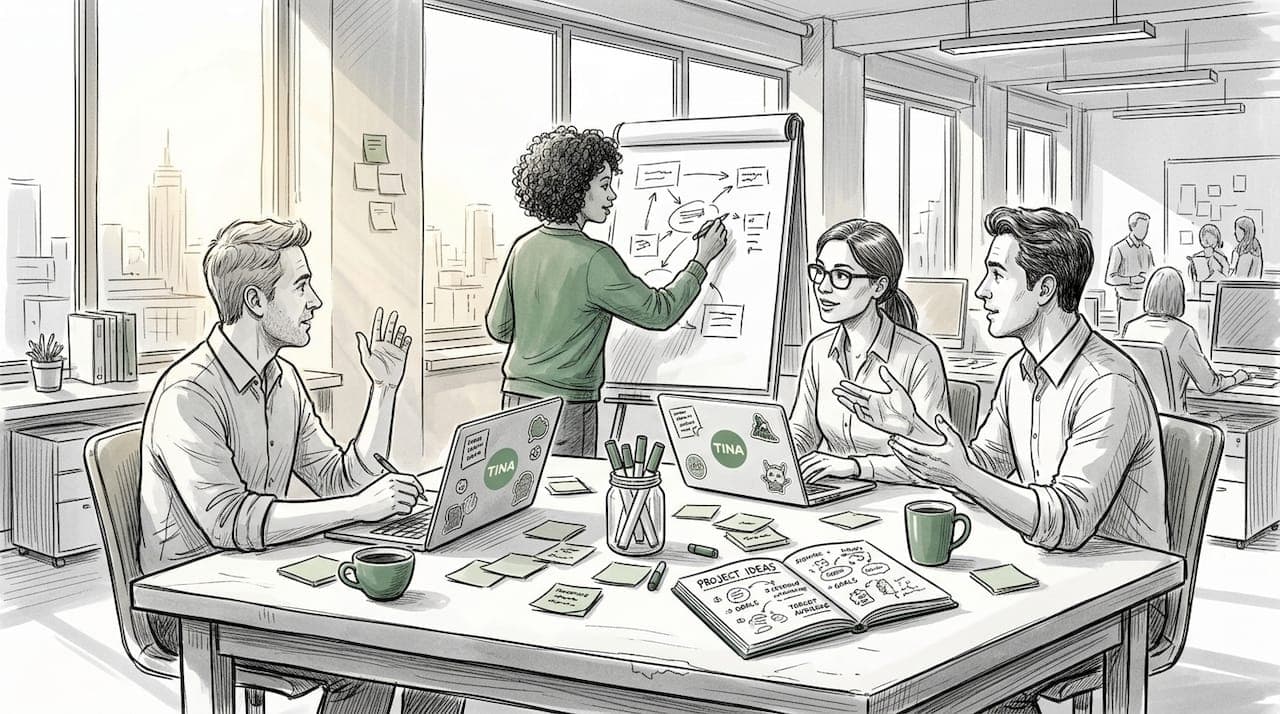
Most corporate teams invest heavily in traditional team building activities, yet research reveals a striking gap: these conventional approaches often miss the transformative power of creative, hands-on collaboration. Studies show that creative workshops enhance teamwork by fostering psychological safety, collaboration, and real-world skill application through structured activities. In Berlin, where artisan culture thrives, corporate teams discover unique opportunities to combine cultural immersion with measurable improvements in innovation and collaboration. These workshops don't just entertain; they fundamentally reshape how teams communicate, problem-solve, and create together. For HR managers and team leaders seeking meaningful engagement beyond generic activities, understanding the mechanisms behind creative workshops unlocks powerful strategies for building cohesive, innovative teams.
Table of Contents
- Key takeaways
- Understanding how creative workshops foster teamwork
- The impact of creative workshops on collaboration and innovation
- Culturally immersive artisan workshops in Berlin: unique team bonding experiences
- Challenges and expert nuances in creative teamwork workshops
- Explore unique artisan team building experiences in Berlin
- FAQ
Key Takeaways
| Point | Details |
|---|---|
| Psychological safety | Creative workshops foster environments where team members share unconventional ideas and take risks without fear of ridicule. |
| Collocated teams benefit | Teams working in the same physical space gain more from these experiences than dispersed groups. |
| Thoughtful design matters | Success depends on purposeful design, follow up, and alignment with team composition. |
| Foundational elements | Effective workshops rely on seven elements including clear objectives, active engagement, psychological safety, multimodal learning, role playing, hands on tasks, and structured reflection. |
Understanding how creative workshops foster teamwork
Effective creative workshops Berlin rest on seven foundational elements that transform ordinary group activities into powerful teamwork catalysts. These include clear objectives, active engagement strategies, psychological safety protocols, multi-modal learning approaches, role-playing scenarios, hands-on task completion, and structured reflection periods. When facilitators combine these elements deliberately, teams develop trust and collaborative habits that persist long after the workshop ends.
Psychological safety stands out as the most critical component. Teams need environments where members feel comfortable sharing unconventional ideas, making mistakes, and challenging assumptions without fear of ridicule or professional consequences. Creative activities naturally reduce judgment because there's no single "correct" way to shape clay, compose a street art piece, or craft jewelry. This freedom allows personality types who might hesitate in traditional business settings to contribute fully.
Multi-modal learning engages different cognitive styles simultaneously. A pottery workshop, for example, activates tactile, visual, and kinesthetic learning while requiring verbal communication about design choices. Teams discover hidden strengths in colleagues who excel at spatial reasoning or manual dexterity rather than just verbal presentation skills. This broader skill recognition builds mutual respect and more balanced team dynamics.
Role-playing and hands-on tasks create memorable shared experiences that become reference points for future collaboration. When your marketing director and operations manager worked together to solve a glazing challenge or balance a delicate ceramic piece, they developed problem-solving patterns applicable to budget negotiations or project planning. The physical nature of these activities makes lessons stick in ways that lecture-based training cannot match.
"Workshops that integrate clear objectives with participative activities and psychological safety create environments where teams naturally develop stronger collaborative behaviors and creative confidence."
The creative workshop strategy emphasizes structured flexibility. Facilitators provide enough framework to keep activities purposeful while allowing teams autonomy in execution. This balance mirrors effective workplace dynamics where leadership sets direction but empowers teams to determine implementation details.
The impact of creative workshops on collaboration and innovation
Recent leadership workshops research provides compelling evidence for creative workshops' effectiveness. A quasi-experimental study tracked teams through structured interventions, measuring changes in collaborative job crafting, where team members actively redesign their work roles and relationships to improve collective performance. The results revealed significant differences based on team configuration.
| Team Type | Collaborative Job Crafting Increase | Innovation Behaviors | Key Success Factors |
|---|---|---|---|
| Collocated intervention | 24% increase | High gains | Physical proximity, shared activities, regular interaction |
| Dispersed intervention | 8% increase | Moderate gains | Technology-mediated follow-up, intentional connection |
| Control groups | 2% baseline variation | Minimal change | No structured intervention |
Collocated teams showed dramatically stronger outcomes because creative workshops amplify existing communication patterns. When team members already interact daily, the trust and collaborative habits developed during workshops transfer immediately into workplace interactions. They reference shared experiences, apply problem-solving approaches learned together, and maintain the psychological safety established during creative activities.
Dispersed teams still benefit but require additional support structures. The physical separation means workshop gains fade faster without intentional reinforcement. Video check-ins, shared digital portfolios of workshop creations, and scheduled reunions help maintain momentum. For hybrid teams, consider team building recommendations that account for varying levels of physical proximity.
Pro Tip: Schedule creative workshops when collocated teams can immediately apply new collaborative patterns to real projects. Book a team ceramic sculpting workshop right before a major initiative kicks off, allowing teams to leverage fresh trust and communication habits when stakes are high.
Leadership training workshops that incorporate creative elements produce stronger innovation outcomes than purely cognitive approaches. When leaders experience vulnerability through hands-on creative challenges, they model the psychological safety they need to cultivate in their teams. A manager struggling publicly with a pottery wheel demonstrates that imperfection and learning are acceptable, fundamentally shifting team culture.
The data reveals that workshop design quality matters as much as format. Poorly structured activities with unclear objectives, insufficient facilitation, or no follow-up mechanisms produce minimal lasting impact regardless of creativity level. Teams need explicit connections drawn between workshop experiences and workplace applications. Facilitators should guide reflection on how collaborative problem-solving during a jewelry-making session mirrors approaching a product launch challenge.
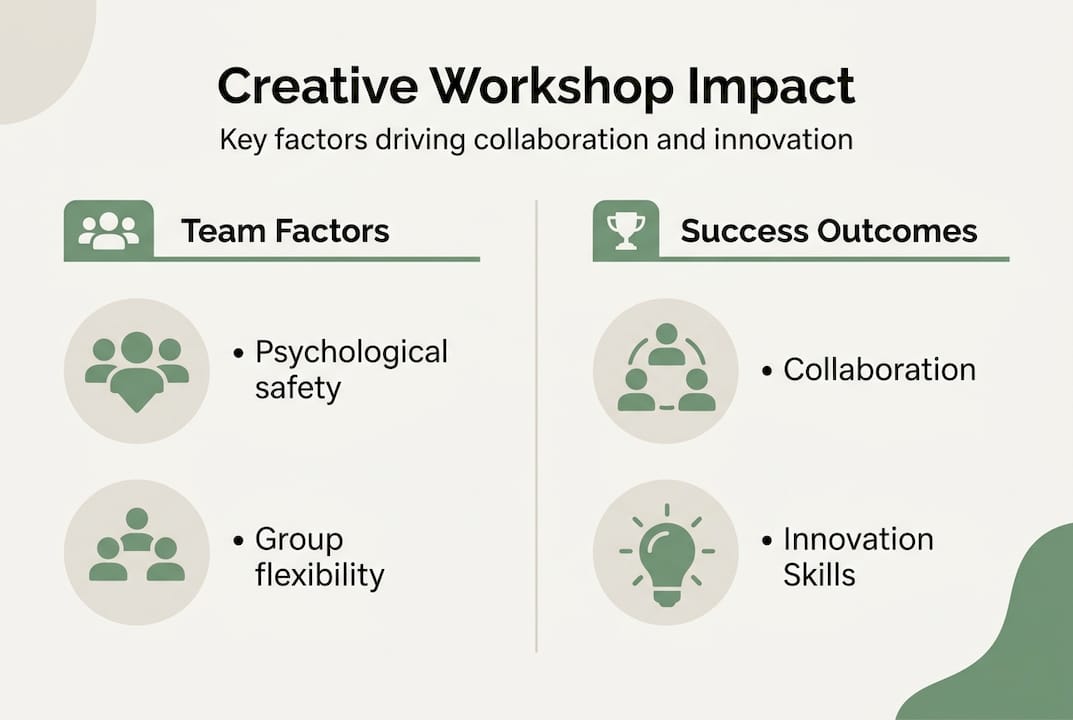
Culturally immersive artisan workshops in Berlin: unique team bonding experiences
Berlin's rich artisan culture creates exceptional opportunities for hands-on artisan workshops that combine skill development with cultural exploration. Unlike generic corporate activities that could happen anywhere, these experiences root teams in authentic local traditions while building practical creative capabilities. The city's maker community welcomes corporate groups into spaces where real craftspeople practice centuries-old techniques alongside contemporary innovations.
Popular artisan workshops for corporate teams include:
- Pottery and ceramic sculpting at local artisan workshops, where teams learn hand-building and wheel-throwing techniques
- Papermaking sessions exploring traditional methods and sustainable practices
- Street art and graffiti workshops that engage teams in Berlin's vibrant urban art scene
- Wild herb foraging and cooking experiences connecting culinary creativity with nature
- Jewelry crafting at specialized jewelry ring workshop venues
These workshops provide cultural immersion benefits that extend beyond skill acquisition. Teams engage with Berlin's creative identity, understanding the city's transformation from industrial center to global arts hub. This context adds meaning to activities, as participants recognize they're learning from practitioners embedded in living traditions rather than completing generic exercises.
How culturally immersive artisan experiences strengthen team bonds:
- Shared creative challenges create vulnerability and mutual support as team members help each other master unfamiliar techniques
- Cultural learning provides neutral conversation topics that break down hierarchical barriers between junior and senior staff
- Physical creation of lasting objects gives teams tangible reminders of collaborative achievements
- Artisan storytelling about craft traditions inspires reflection on team values and identity
- Multi-sensory engagement through materials, tools, and techniques creates memorable shared experiences
- Local venue exploration introduces teams to Berlin neighborhoods and creative communities they might otherwise miss
Optimal group sizes range from 8 to 16 participants for most artisan workshops. Smaller groups allow more individualized instruction and deeper skill development, while larger groups can split into sub-teams for friendly competition or collaborative projects. Workshop durations typically span 2 to 4 hours, providing enough time for meaningful skill acquisition without overwhelming participants.
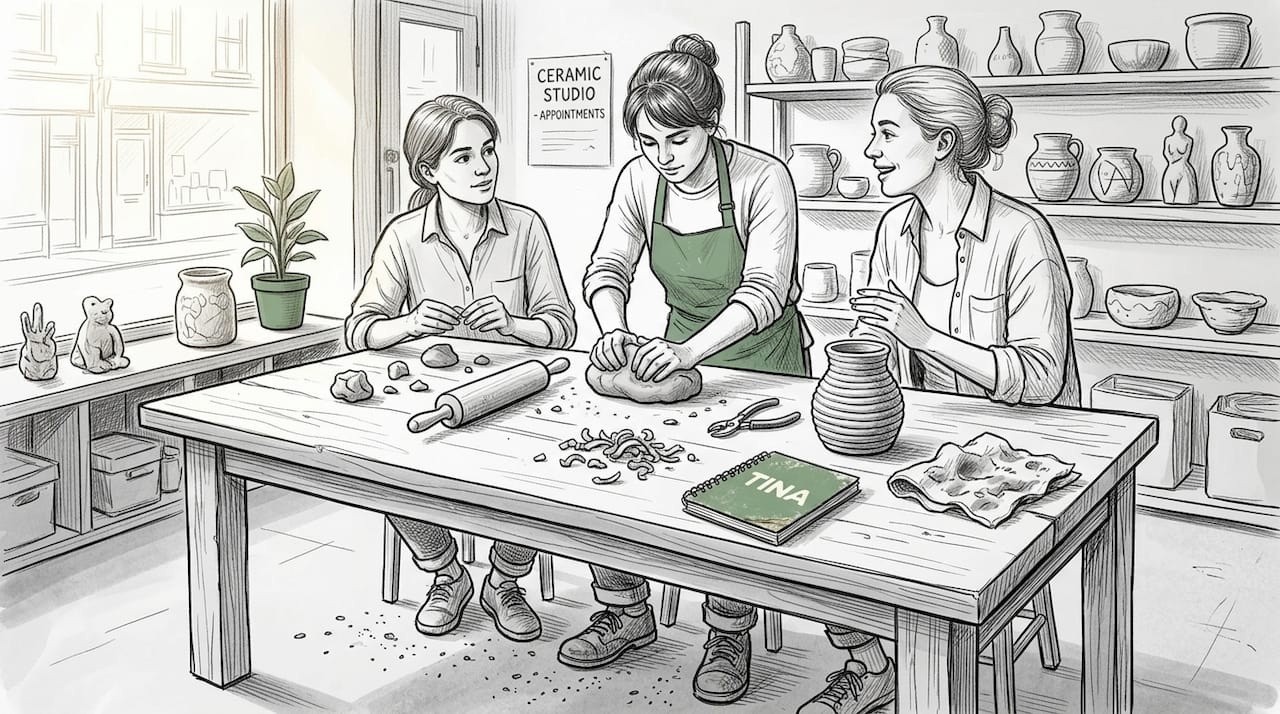
The hands-on nature of artisan activities naturally promotes collaboration. A ceramic project requires team members to share tools, offer technique suggestions, and provide encouragement through inevitable mistakes. These micro-interactions build trust incrementally, creating psychological safety without forced vulnerability exercises. Teams discover that creative expression reduces self-consciousness as everyone focuses on the craft rather than interpersonal dynamics.
Challenges and expert nuances in creative teamwork workshops
While creative workshops offer substantial benefits, workshop challenges reveal important caveats that HR managers must consider. Effects depend significantly on team configuration, workshop design quality, and follow-up practices. Understanding these nuances helps leaders select and structure experiences that maximize return on investment.
| Factor | Positive Impact | Negative Impact |
|---|---|---|
| Team collocation | Daily interaction amplifies workshop gains; immediate application of collaborative patterns | Physical separation reduces transfer of workshop behaviors to workplace |
| Workshop design | Clear objectives, skilled facilitation, structured reflection create lasting change | Poorly defined activities, weak facilitation, no follow-up yield minimal benefits |
| Follow-up practices | Regular reinforcement, explicit workplace connections, leadership modeling sustain gains | One-off events without integration fade quickly |
| Technology integration | Thoughtful GenAI use can boost efficiency in creative tasks | Over-reliance on automation reduces engagement and collaborative fun |
Generative AI presents a complex challenge for creative team workshops. Some research suggests that GenAI tools increase task efficiency and output quality in creative projects, potentially freeing teams to focus on higher-level strategic thinking. However, other studies indicate that excessive GenAI use reduces the enjoyment and interpersonal connection that make creative activities valuable for team building. The technology can create a crutch that prevents teams from developing their own creative problem-solving muscles.
The most effective approach integrates technology selectively. Use GenAI for research, initial concept generation, or technical execution while preserving hands-on collaborative elements for the core creative work. A custom merchandise workshop might employ AI for initial design concepts but require teams to physically create prototypes together, maintaining the tactile collaboration that builds bonds.
Personality composition significantly affects workshop outcomes. Teams with complementary personality types show greater creativity gains because diverse perspectives generate richer ideation. However, this diversity only produces benefits when psychological safety allows all personality types to contribute comfortably. Introverted team members need structured turn-taking and individual reflection time, while extroverted members benefit from group brainstorming and verbal processing.
Participative leadership amplifies creative workshop benefits. When leaders actively engage in creative challenges rather than observing from the sidelines, they signal that creative risk-taking is valued. Leaders who share their own struggles with unfamiliar techniques model the vulnerability that enables psychological safety. This participative approach creates permission structures where team members feel safe experimenting and potentially failing.
Pro Tip: Avoid common pitfalls by scheduling explicit follow-up sessions two weeks and six weeks after workshops. Use these check-ins to discuss how teams have applied creative problem-solving approaches to real work challenges, reinforcing the connection between workshop experiences and workplace performance.
Cultural context matters when designing workshops for international or multicultural teams. Some cultures emphasize individual achievement and direct communication, while others prioritize group harmony and indirect expression. Effective facilitators adapt activities to honor these differences, perhaps offering both individual and group creation options or varying the degree of public sharing required. Berlin's diverse international community makes this cultural sensitivity particularly relevant for corporate teams operating in global markets.
Explore unique artisan team building experiences in Berlin
Ready to transform your team's collaboration and innovation capabilities through authentic creative experiences? TINA Experiences specializes in connecting corporate teams with Berlin's finest artisan workshops, offering team building Berlin experiences designed specifically for meaningful professional development. Each workshop pairs your team with skilled local craftspeople who bring decades of expertise and genuine passion for their crafts.
From intimate groups of 8 to larger gatherings of 20 or more, TINA curates experiences that match your team's specific dynamics and development goals. Explore hands-on activities like the playful clay workshop where teams discover ceramic artistry, or venture into jewelry making, street art, and sustainable merchandise creation. Every experience emphasizes cultural immersion and skill development while fostering the psychological safety and collaborative habits that drive workplace innovation.
Unsure which workshop best fits your team's needs? TINA's expert guidance helps you navigate options through personalized team building recommendations based on team size, objectives, and cultural preferences. Discover how Berlin's artisan community can unlock your team's creative potential while building lasting bonds through shared cultural exploration.
FAQ
What types of creative workshops best promote psychological safety?
Workshops emphasizing collaboration, multi-modal learning, and hands-on tasks foster psychological safety by encouraging participation without single correct answers. Activities like pottery, jewelry making, or street art reduce judgment because creative expression is inherently personal. Structured facilitation with clear objectives and reflection periods further enhances trust, allowing team members to share ideas and take creative risks comfortably.
How does team location affect the benefits of creative workshops?
Collocated teams experience significantly stronger gains in collaborative job crafting and innovation compared to dispersed teams. Physical proximity allows immediate application of workshop-developed trust and communication patterns to daily work interactions. Remote or hybrid teams still benefit but require intentional follow-up practices like video check-ins and shared digital portfolios to maintain momentum and reinforce collaborative habits established during workshops.
Can technology like generative AI complement creative teamwork workshops?
Generative AI can increase efficiency in creative tasks when used selectively for research or initial concept generation. However, over-reliance reduces the interpersonal engagement and collaborative fun essential for team bonding. The most effective approach balances technology for technical support while preserving hands-on collaborative elements where teams physically create together, maintaining the tactile experiences that build lasting connections and creative confidence.
What artisan workshops are popular in Berlin for corporate teams?
Popular workshops include pottery and ceramic sculpting, papermaking, street art and graffiti, wild herb foraging with cooking, and jewelry crafting. These experiences offer culturally immersive activities rooted in Berlin's rich artisan traditions while promoting creativity and team connection. The artisanal clay workshop stands out for its combination of skill development, cultural engagement, and collaborative problem-solving that translates directly into workplace innovation capabilities.
Recommended
- Creative Workshops Berlin | Ceramics, Pottery & Crafts for Teams | TINA
- Team Building Berlin | Authentic Artisan Experiences | TINA
- Upcycled Mosaic Art Workshop | Team Building Berlin | TINA
- Team Ceramic Sculpting Workshop | Team Building Berlin | TINA
- Esperienze creative per aziende: guida alla scelta 2026 – Club Joy
- Why Art Boosts Creativity: Transforming Modern Spaces