
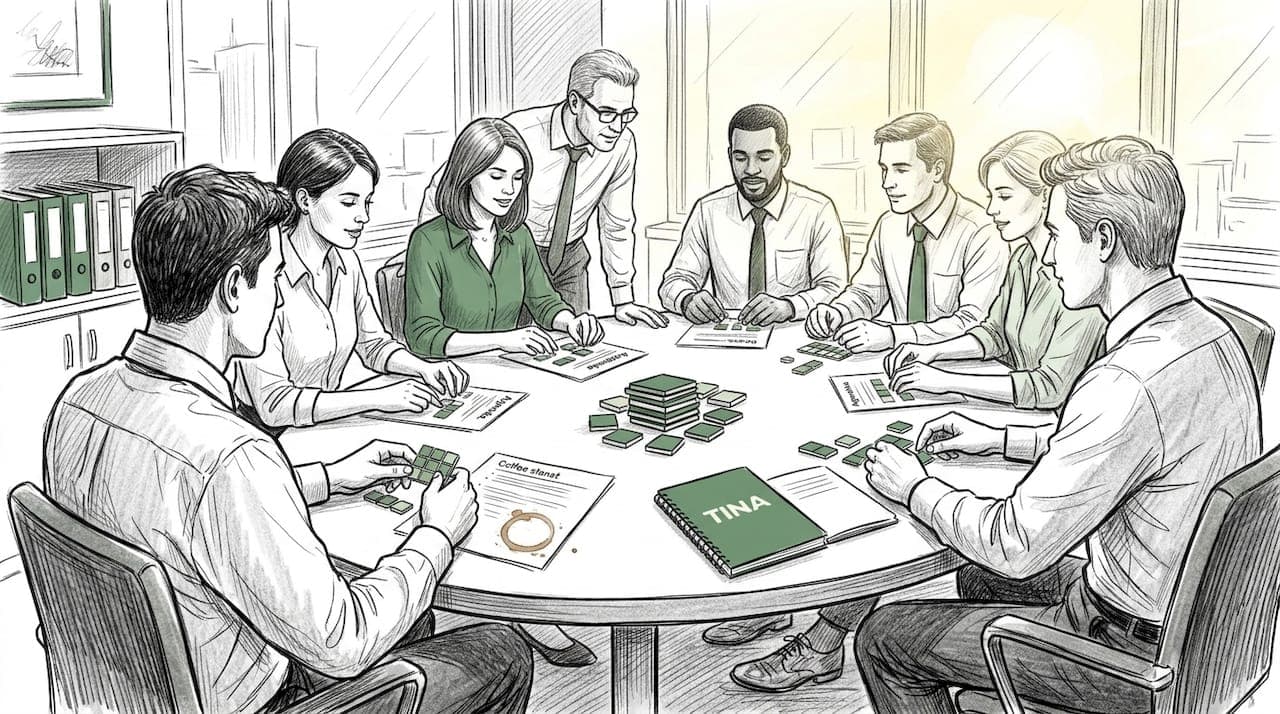
Most corporate leaders view team events as necessary breaks from work, quick morale boosters that let employees unwind before returning to their desks. This mindset treats these gatherings as isolated moments rather than strategic investments in team culture. Workshop-based team events centered on artisan skills offer a different path, one that builds lasting trust, cultural appreciation, and genuine connection among Berlin's diverse corporate teams. This guide reveals how hands-on creative workshops transform team dynamics and why they succeed where traditional events often fall short.
Table of Contents
- Key takeaways
- Understanding workshop-based team events: mechanics and benefits
- Navigating challenges and nuances of workshop-based events
- Why artisan workshops offer unique value in Berlin's corporate culture
- Designing effective workshop events for lasting team impact
- Elevate your team events with TINA Experiences
- FAQ
Key Takeaways
| Point | Details |
|---|---|
| Hands on workshops build trust | Hands on artisan activities foster lasting trust and cultural appreciation beyond quick morale boosts. |
| Clear objectives enable success | Success hinges on defined goals, flexible facilitation, and psychological safety that welcomes diverse personalities. |
| Avoid rigid agendas | Rigid schedules and low participation reduce impact, so design a flexible framework with meaningful follow up. |
| Cultural immersion fits Berlin teams | Artisan skill workshops align with Berlin's diverse teams in hybrid and international settings while strengthening team identity. |
Understanding workshop-based team events: mechanics and benefits
Effective workshops follow a structured approach that balances planning with flexibility. Workshop mechanics involve clear objectives, audience understanding, method selection, buffer time allocation, and adaptive facilitation. You define what success looks like before the event starts, whether that means improved communication, creative problem-solving, or deeper trust among team members.
The sequential flow matters more than rigid adherence to timelines. Energy naturally ebbs and flows during group activities, so building in 15-20% buffer time allows for spontaneous interactions and deeper exploration when participants engage with material. Typical durations vary based on goals: 60-90 minutes work well for alignment sessions, while half-day workshops suit in-depth strategy development or skill-building activities.
Facilitation style determines whether participants feel safe contributing their authentic perspectives. Effective facilitators read group dynamics and adjust rather than forcing predetermined agendas. They create space for introverts to share through varied interaction formats, from small group discussions to individual reflection periods before larger conversations.
Workshops deliver measurable benefits beyond temporary morale boosts. Teams report improved communication patterns that persist weeks after events conclude. Creative problem-solving skills develop through hands-on making activities that engage different thinking modes. Trust deepens when colleagues see each other in new contexts, working together on tangible projects rather than abstract business challenges.
Creative workshops centered on artisan skills add cultural appreciation to these core benefits. Participants learn traditional techniques from local craftspeople, gaining insight into Berlin's rich cultural heritage while building team connections. This combination of skill development and cultural immersion creates memories that strengthen team identity.
"The best workshops create psychological safety where every voice matters, not just the loudest ones. When people feel genuinely heard, they contribute ideas that transform team performance."
Non-competitive, mindful activities suit diverse personality types better than high-energy competitive formats. Pottery, jewelry making, and mosaic art allow participants to work at their own pace while collaborating on shared goals. These activities reduce performance anxiety that can prevent full engagement, especially for team members who prefer reflective thinking over quick responses.
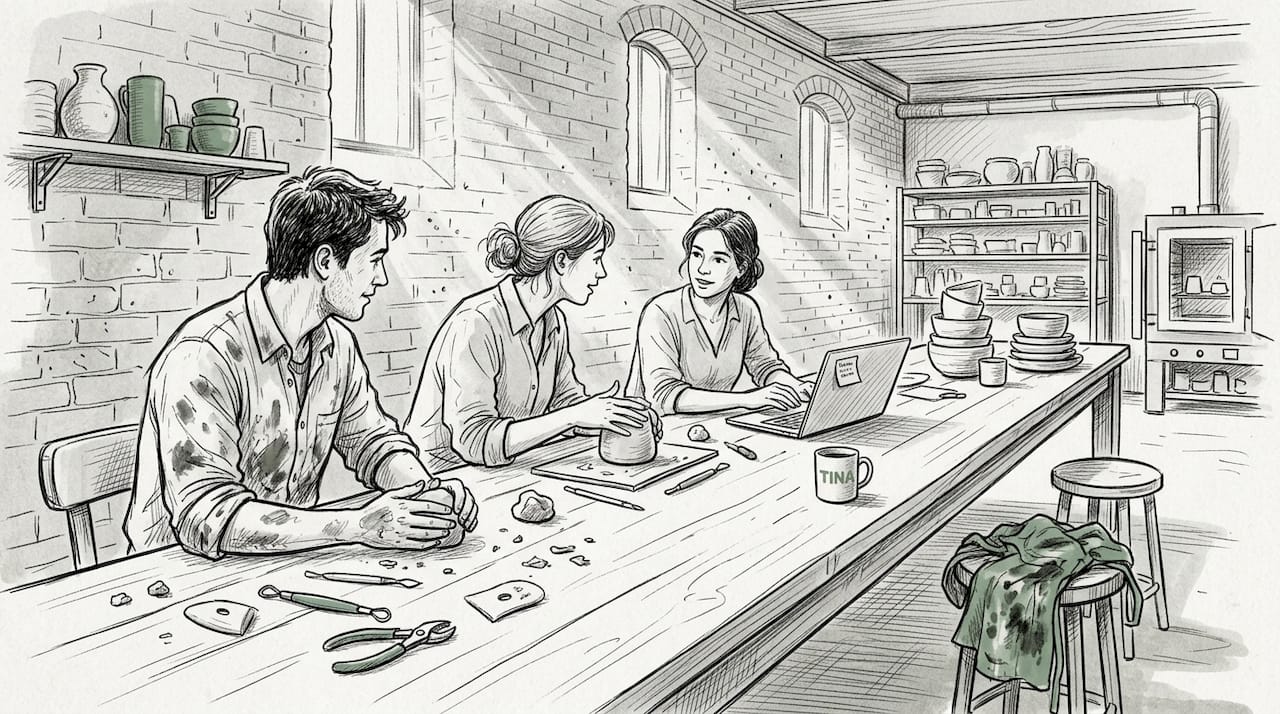
Pro Tip: Design your workshop agenda as a flexible framework rather than a minute-by-minute schedule. List desired outcomes and key activities, then let the facilitator adjust timing based on group energy and engagement levels.
Navigating challenges and nuances of workshop-based events
Mandatory attendance creates the first major obstacle to workshop success. Low participation causes 50% no-shows when employees view events as obligations rather than opportunities. Resentment builds when team members feel forced into activities that don't respect their time or preferences, poisoning the very culture these events aim to improve.
Extrovert bias alienates 40-50% of team members who process information internally before sharing thoughts. Activities that reward quick verbal responses or constant social interaction exhaust introverts, leading them to disengage or avoid future events entirely. This creates a feedback loop where only certain personality types participate, reinforcing the perception that workshops serve a narrow segment of the team.
Temporary morale boosts fade within days without proper follow-up actions. Teams return from events feeling energized and connected, but daily work pressures quickly erode those gains when no structural changes support new behaviors. The workshop becomes an isolated experience rather than a catalyst for sustained improvement.
Forced interactions can increase conflict when poorly designed. Pairing people who have existing tensions without proper facilitation or psychological safety mechanisms amplifies problems rather than resolving them. Activities that expose vulnerabilities without establishing trust first create defensiveness and withdrawal.
Psychological safety forms the foundation for meaningful participation. Team members need confidence that their contributions will be received respectfully, that mistakes are learning opportunities rather than ammunition for criticism, and that diverse perspectives are genuinely valued. Without this foundation, people self-censor and workshops deliver surface-level engagement.
Flexible agendas focused on outcomes overcome rigid planning pitfalls. When facilitators prioritize achieving specific results over following predetermined schedules, they can adapt to unexpected insights or challenges that emerge during sessions. This outcome focus keeps activities relevant and responsive to actual team needs.
Diverse workshop formats prevent monotony and reach varied personalities. Mixing individual reflection with pair work and larger group discussions gives everyone opportunities to contribute in comfortable ways. Incorporating visual, kinesthetic, and verbal elements engages different learning styles and keeps energy levels high.
Building post-event follow-up and action plans sustains benefits over time. Teams should leave workshops with specific commitments about how they'll apply new insights or behaviors. Regular check-ins reinforce these commitments and help troubleshoot obstacles to implementation.
Pro Tip: Survey your team anonymously before selecting workshop formats to understand actual preferences rather than assumptions. Introverts may love collaborative making activities but dread icebreaker games, while some extroverts prefer structured creative work over open networking.
Why artisan workshops offer unique value in Berlin's corporate culture
Berlin's diverse workforce values culturally immersive activities that honor the city's rich heritage while building team connections. Corporate teams here include international members from dozens of countries, creating unique opportunities to explore cultural appreciation through shared creative experiences. Local crafts provide common ground where language barriers matter less than hands-on collaboration.
Traditional techniques like Turkish marbling and oriental mosaics offer meaningful engagement that goes beyond superficial entertainment. Participants learn skills with centuries of history, connecting them to broader cultural narratives while creating tangible artifacts. This depth transforms workshops from time-fillers into memorable experiences that shape team identity.
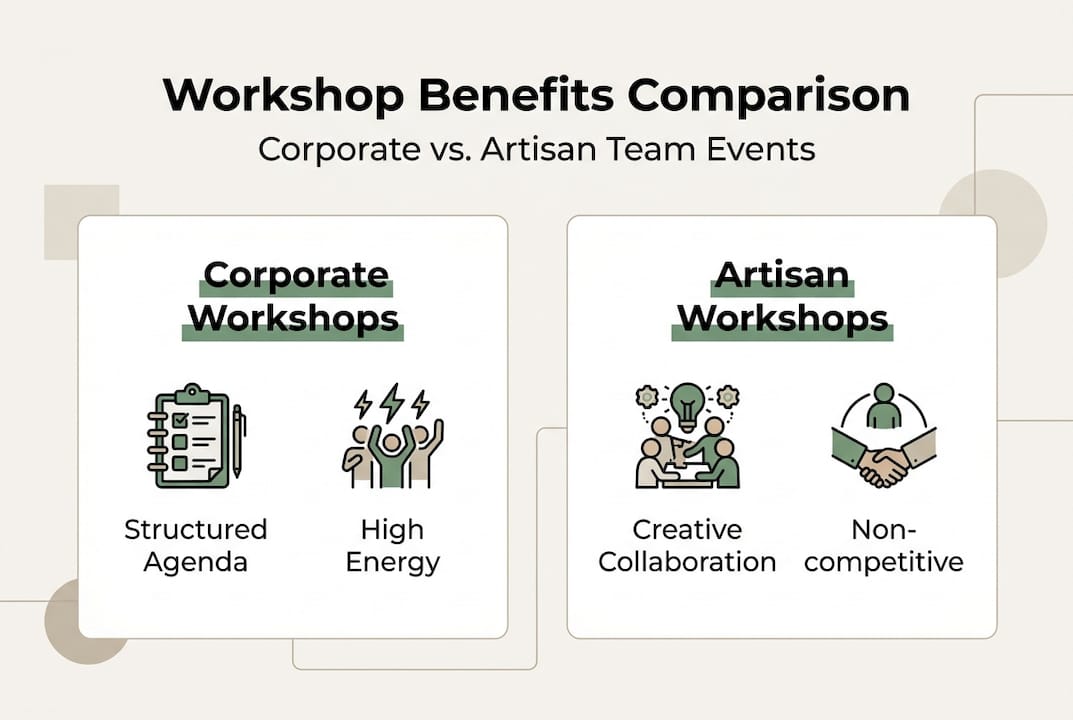
Artisan workshops encourage participation across personality types by removing competitive pressure. Everyone works at their own pace toward personal creative goals while contributing to collective projects. Introverts can focus deeply on their craft while still feeling connected to the group, and extroverts can share ideas without dominating the experience.
| Aspect | Generic Team Events | Artisan Workshops |
|---|---|---|
| Trust-Building | Surface-level bonding | Deep collaboration through making |
| Cultural Appreciation | Limited or tokenistic | Authentic immersion in local crafts |
| Psychological Safety | Often competitive | Non-competitive, mindful engagement |
| Lasting Value | Temporary memories | Tangible souvenirs and new skills |
| Inclusivity | May favor extroverts | Accommodates diverse personalities |
Artisan workshops foster trust through shared creative challenges that require cooperation without creating winners and losers. When team members work together on a mosaic or pottery piece, they negotiate design decisions, share techniques, and problem-solve collaboratively. These interactions build communication patterns that transfer back to workplace projects.
Unique souvenirs serve as lasting reminders of team achievements and shared experiences. Unlike generic corporate swag, handcrafted items carry personal meaning because participants invested effort and creativity in making them. A ceramic bowl or piece of jewelry becomes a conversation starter that reinforces team bonds months after the event.
Bullet list of artisan workshop advantages for Berlin corporate teams:
- Cultural richness connects international team members through authentic local traditions
- Creativity stimulation develops problem-solving skills that apply to business challenges
- Inclusivity accommodates introverts and extroverts through varied interaction modes
- Hybrid suitability allows flexible participation formats for remote and onsite members
- Mindful collaboration reduces stress while building genuine connections
Experiences like the playful clay workshop, upcycled mosaic art, and handcraft jewelry combine skill development with cultural exploration. These activities suit hybrid teams because core techniques can be demonstrated virtually while maintaining hands-on engagement for all participants.
Designing effective workshop events for lasting team impact
Agile backlog approaches allow agenda flexibility focused on outcomes rather than rigid timelines. You list desired results and key activities, then prioritize based on team energy and emerging needs during the session. This framework provides structure while permitting responsive facilitation that addresses real-time dynamics.
Identifying team goals upfront ensures workshop design aligns with actual needs. Trust-building requires different activities than communication improvement or creativity development. Cultural appreciation goals call for immersive experiences with local artisans, while problem-solving objectives might emphasize collaborative challenges with tangible outputs.
Steps to design an impactful workshop:
- Define specific, measurable objectives tied to team performance gaps or opportunities
- Select methods that match your team's personality mix and cultural context
- Plan timing with 15-20% buffer for spontaneous interactions and deeper exploration
- Facilitate adaptively by reading group energy and adjusting activities in real time
- Build follow-up plans with specific commitments and accountability mechanisms
| Workshop Trait | Effective Approach | Ineffective Approach |
|---|---|---|
| Agenda Flexibility | Outcome-focused framework | Minute-by-minute rigid schedule |
| Facilitator Role | Adaptive guide responding to dynamics | Script-follower ignoring group needs |
| Follow-Up Actions | Specific commitments with accountability | No post-event structure or check-ins |
| Participant Engagement | Varied formats for diverse personalities | One-size-fits-all competitive activities |
| Feedback Integration | Regular iteration based on input | Static format repeated without adjustment |
Common anti-patterns include no action follow-through where insights from workshops never translate into behavior changes. Teams discuss improvements during events but return to old patterns immediately afterward because no systems support new approaches. This wastes time and breeds cynicism about future development efforts.
Overly rigid plans prevent facilitators from responding to unexpected insights or challenges that emerge during sessions. When groups discover important topics worth exploring, inflexible agendas force them to move on before reaching resolution. This prioritizes process over outcomes and misses opportunities for breakthrough conversations.
One-size-fits-all formats ignore personality diversity and cultural differences within teams. Activities designed for extroverted, competitive personalities alienate members who contribute best through reflection and collaboration. Workshops that don't account for varied working styles deliver value to only a fraction of participants.
Incorporating varied formats prevents fatigue and engages different thinking modes throughout the session. Mix individual work with pair discussions and larger group conversations. Alternate between verbal processing and hands-on making activities. This variety maintains energy while giving everyone opportunities to contribute comfortably.
Feedback collection and iteration improve workshop effectiveness over time. Survey participants about what worked and what didn't, then adjust future events based on patterns in responses. This continuous improvement approach ensures workshops evolve with team needs rather than becoming stale rituals.
Pro Tip: Schedule a 30-minute team meeting two weeks after your workshop to review commitments and troubleshoot implementation obstacles. This follow-up dramatically increases the likelihood that insights translate into sustained behavior changes.
Explore team building experiences that combine cultural immersion with practical skill development for maximum impact on team dynamics and performance.
Elevate your team events with TINA Experiences
Ready to move beyond generic team events that deliver temporary boosts but fade quickly? TINA Experiences offers authentic, culturally rich artisan workshops tailored specifically for Berlin corporate teams seeking lasting impact. Our curated experiences connect your team with local craftspeople for hands-on activities that build trust through meaningful collaboration.
Options include playful clay sculpting, mosaic art creation, jewelry making, and more, each designed to accommodate diverse personality types and hybrid team formats. Booking is straightforward, with expert recommendations to match your team's size, goals, and cultural interests. Experience enhanced trust-building and creative collaboration that transforms team dynamics while creating tangible souvenirs your members will treasure. Discover how team building in Berlin becomes a catalyst for sustained performance improvement when rooted in authentic cultural experiences.
FAQ
What types of artisan workshops are best for hybrid teams?
Workshops involving mindful crafts like pottery, jewelry making, and mosaic art suit hybrid teams exceptionally well due to their flexible nature and non-competitive structure. These activities promote inclusivity by allowing both onsite and remote participants to engage meaningfully with facilitated guidance. Creative workshops designed for hybrid formats ensure everyone contributes regardless of physical location while maintaining the hands-on benefits that make artisan experiences memorable.
How do you measure the success of a workshop-based team event?
Measure success through participant feedback surveys, observed increases in team trust and collaboration during daily work, and achievement of predefined objectives set before the event. Follow-up actions and sustained morale improvements over weeks and months serve as key indicators that workshop benefits have embedded into team culture. Track specific behavioral changes like improved communication patterns or creative problem-solving approaches that emerge after the experience.
What common pitfalls should be avoided in team workshops?
Avoid mandatory attendance that causes no-shows and resentment, rigid agendas that prevent responsive facilitation, extrovert-biased activities that alienate introverted team members, and lack of consequential follow-up that allows insights to fade. Ensure psychological safety through clear ground rules and varied interaction formats that welcome all personality types. Build agenda flexibility that prioritizes outcomes over predetermined schedules, allowing facilitators to adapt to group dynamics and emerging needs.
How long should a team workshop last for maximum impact?
Optimal workshop duration depends on your specific goals, with 60-90 minutes working well for alignment sessions and half-day formats suiting in-depth skill development or strategy work. Include 15-20% buffer time beyond planned activities to accommodate spontaneous interactions and deeper exploration when participants engage meaningfully. Avoid marathons that exhaust participants or brief sessions that rush through content without allowing genuine connection to form among team members.
Recommended
- Creative Workshops Berlin | Ceramics, Pottery & Crafts for Teams | TINA
- Custom Company Merchandise Workshop | Team Building Berlin | TINA
- Team Ceramic Sculpting Workshop | Team Building Berlin | TINA
- Team Event Berlin | Book in 5 Minutes | TINA Experiences
- Corporate Event Champagne Workflow for Impressive Displays