
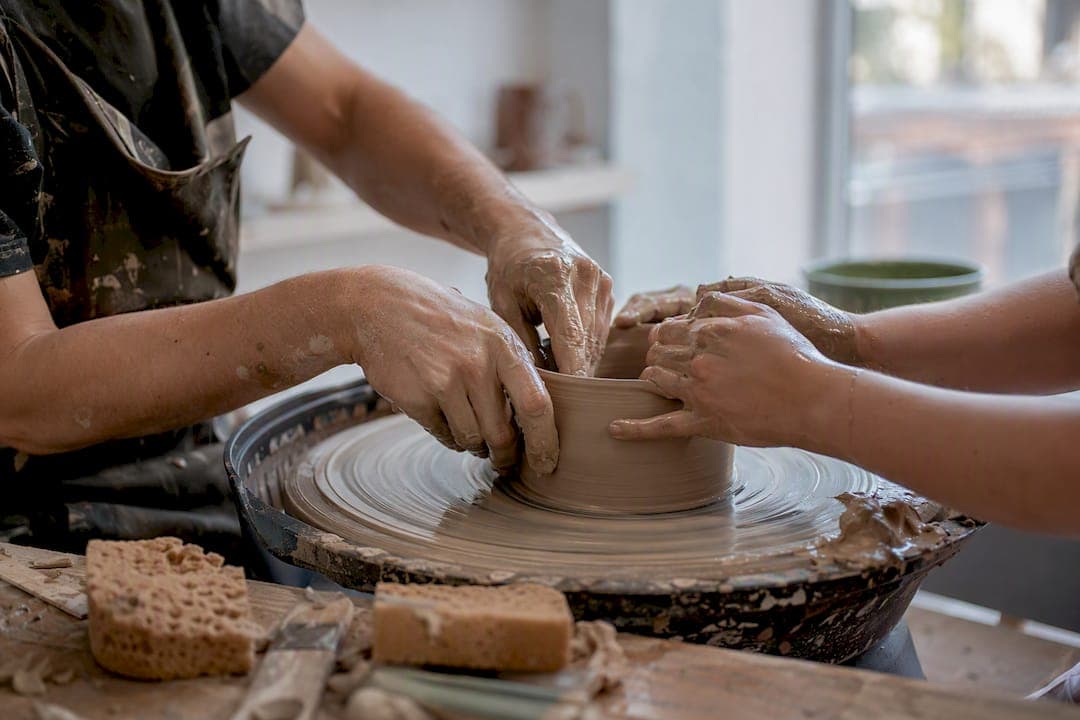
The strongest company retreat ideas in Berlin right now are artisanal workshops (pottery, chocolate, pasta making), culinary market experiences at spots like Markthalle Neun, cultural walking tours paired with hands-on craft, and private boat charters on the Spree. Artisanal workshops carry the most weight for team bonding because everyone starts as a beginner, which flattens hierarchy fast and gives the team a physical object to talk about for months afterward. Pick your primary objective first, whether that's bonding, creativity, or plain reward, then match it to a format below.
- Bonding: pottery, tufting, or pasta making with a local artisan
- Creativity: chocolate crafting, jewelry making, or a street art workshop
- Strategy or alignment: a facilitated hands on session with reflective debrief
- Reward or celebration: private boat charter, wine tasting, or a fine dining evening
Teams that swap talk only agendas for hands on formats report measurably higher post event collaboration. TINA's own Berlin case data shows artisanal workshops driving strong satisfaction scores and lasting behavior change, which is a good sign if you're trying to justify the budget line to finance.
Key Takeaways
Artisanal, hands on workshops outperform generic team building formats because they equalize hierarchy and give teams a shared physical artifact to reference long after the retreat ends.
| Point | Details |
|---|---|
| Start with the objective | Match bonding, creativity, alignment, or reward to a specific activity format before booking. |
| Artisanal workshops scale well | Pottery, chocolate, and pasta sessions work for groups of 8 to 40 with parallel tracks for larger teams. |
| Hybrid needs matched artifacts | Send kits and use livestream facilitation so remote colleagues build the same object as in person teams. |
| Season shapes format choice | Warm months favor outdoor and boat formats; winter favors indoor ateliers and market halls. |
| TINA offers a turnkey path | TINA connects planners to 20+ Berlin artisans with transparent booking for workshops, venues, and hybrid support. |
Table of Contents
- Company Retreat Ideas in Berlin That Actually Move the Needle
- How to Choose the Right Retreat Format and Plan It
- Sample Agendas You Can Copy for Your Next Retreat
- Why Artisanal, Hands On Experiences Work
- Local Food and Beverage Experiences Unique to Berlin
- Team Building Exercises Tailored to Berlin's Urban Environment
- Seasonal Considerations for Timing Your Berlin Retreat
- Why I Prefer Authentic Artisan Experiences for Retreats
- How TINA Helps You Plan a Berlin Retreat That Actually Works
- Sources
Company Retreat Ideas in Berlin That Actually Move the Needle
Not every retreat idea earns its place on a shortlist. The ones below work because they give a team something to do with their hands, not just their mouths, and that distinction changes how people relate to each other for the rest of the day.
1. Pottery, chocolate, and pasta workshops
Clay does not care about your job title. Neither does tempered chocolate or a sheet of fresh pasta dough. That's the quiet genius of artisanal workshops: the CEO and the newest hire are equally clumsy for the first twenty minutes, and that shared awkwardness does more for psychological safety than a trust fall ever could. These sessions run best with groups of 8 to 40, and larger teams simply split into parallel stations with the same artisan guiding both.
2. Market hall cooking sessions
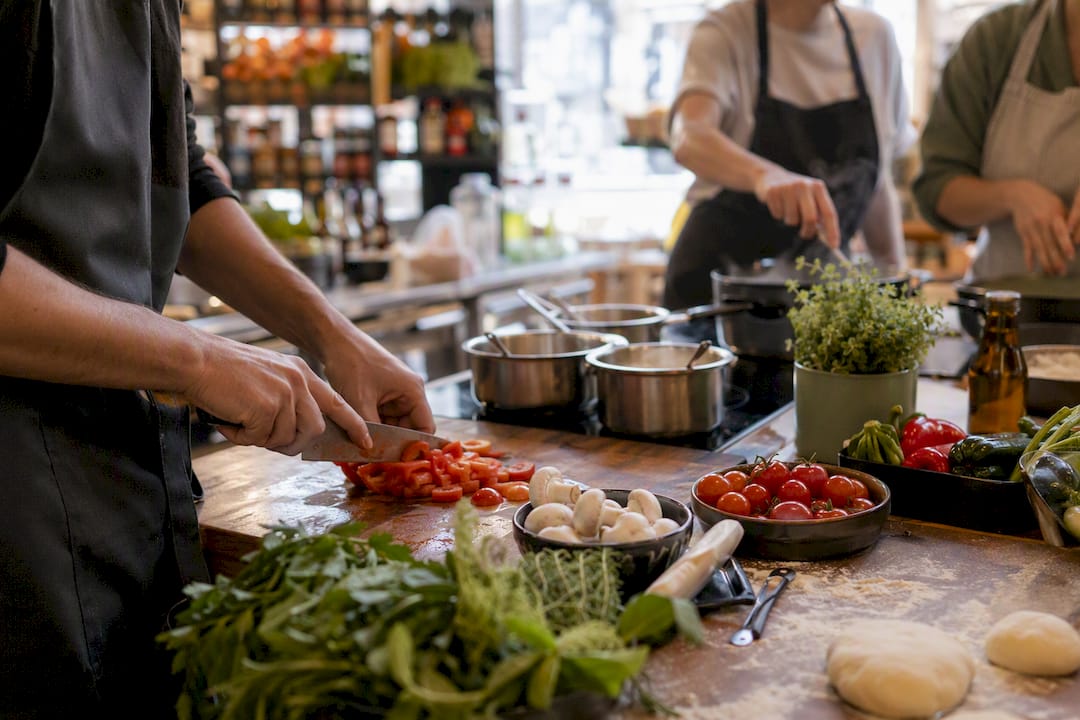
Markthalle Neun style formats, where a team shops for ingredients then cooks together, blend Berlin's food culture with genuine collaboration. Someone has to negotiate with the vendor, someone has to time the stove, someone has to plate. It naturally assigns roles without anyone announcing them, which is a subtler version of team building than most facilitators manage to engineer on purpose.
3. Street art tours with a hands on graffiti session
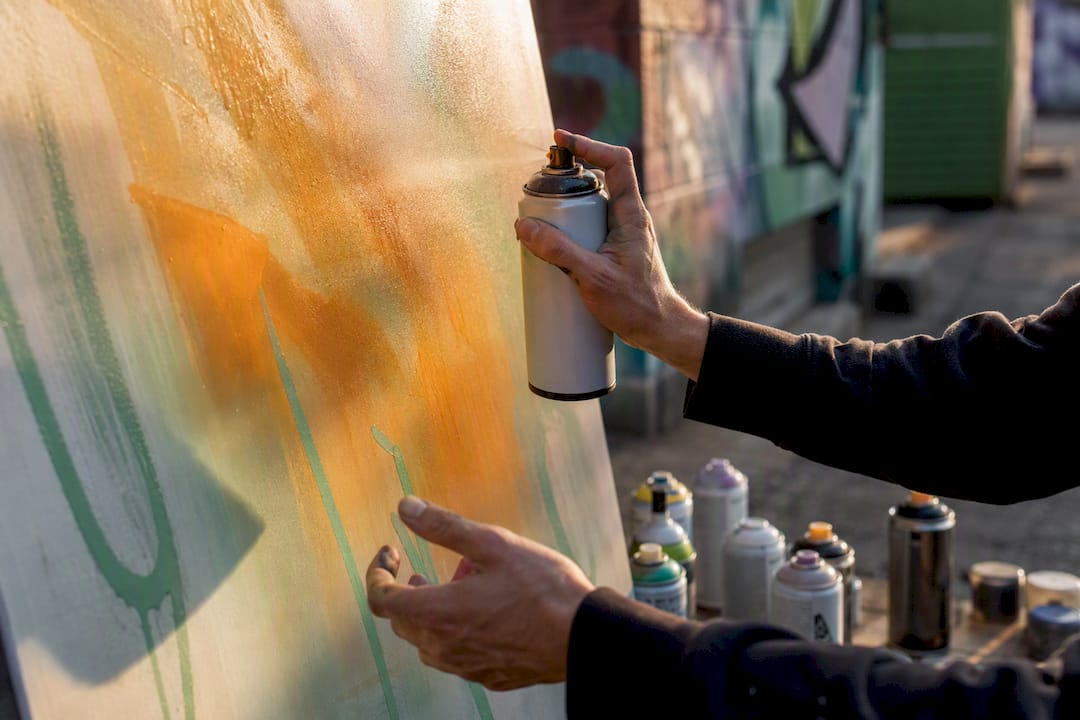
Berlin's street art scene is not decoration, it's a living archive of the city's politics and identity. A guided walk through Kreuzberg or Friedrichshain followed by a supervised spray paint session gives teams a visual, physical takeaway (literally, a canvas they can hang in the office) and a shared story about the city they just spent an afternoon inside.
4. History tours with reflective facilitation
Cold War and divided Berlin tours, when paired with a short facilitated debrief afterward, work well for teams that need a reset around resilience, change, or long term thinking. The history does the heavy lifting; the facilitator's job is just to connect it back to the room.
5. Venue driven formats
Where you gather changes what people say to each other. Converted industrial spaces, private ateliers, and secret garden venues carry a sense of place that a hotel conference room simply cannot fake. A private Spree boat charter adds motion and a change of scenery mid event, which resets energy for groups running a full day.
6. Outdoor and active formats
A Wannsee lakeside excursion, guided foraging session, or urban scavenger hunt through Mitte gives more physically inclined teams a lower key alternative to indoor crafting. Foraging in particular pairs naturally with a cooking session afterward: the team eats what it found, which closes the loop in a way that feels earned rather than staged.
7. Hybrid ready formats for distributed teams
If part of your team is remote, send them a kit ahead of time (clay, chocolate tempering tools, whatever the format calls for) and connect them via livestream so they build the same artifact in real time as everyone in the room. Zuddl's guidance on hybrid retreat design confirms this matched artifact approach is what sustains the connection after the event ends, not just during the livestream itself.
Pro Tip: Never split a hands-on format into "in person does the craft, remote watches." Both groups need the same physical object in front of them, or the remote team just feels like an audience.
How to Choose the Right Retreat Format and Plan It
Start with the objective, not the activity. A retreat booked because "pottery sounded fun" without a clear goal tends to underdeliver, even when the day itself goes well.
Match your goal to a format:
- Bonding across departments that rarely interact: pick a workshop with rotating small groups, like pasta making or tufting.
- Sparking creativity ahead of a product cycle: chocolate crafting or jewelry making, both of which reward improvisation.
- Strategic alignment or leadership offsites: a structured hands on method with a trained facilitator, similar in spirit to LEGO Serious Play's approach of using tangible artifacts to discuss strategy.
- Reward and recognition: a private boat charter, wine tasting, or fine dining evening with minimal structured agenda.
Group size and time block shape everything else. Half day workshops (3 to 4 hours) suit teams of 8 to 20 and fit neatly into a normal workday. Full day formats work for 15 to 40 people and usually combine one active block with a relaxed lunch or dinner. Multi day offsites make sense once you're flying people in and want to combine strategy sessions with one or two artisan experiences spread across the trip.
What drives your budget up:
- Venue hire, especially for boat charters or exclusive atelier bookings
- Catering quality and dietary accommodation
- Facilitator experience, particularly for certified methods
- Materials cost, which varies a lot between clay and, say, jewelry components
Vendor and venue checklist before you book:
- Confirm insurance coverage and a clear cancellation policy
- Ask about wheelchair access and any physical requirements of the craft itself
- Check materials lead time, since some artisan supplies need weeks of notice
- Confirm hybrid or kit support if any team members will join remotely
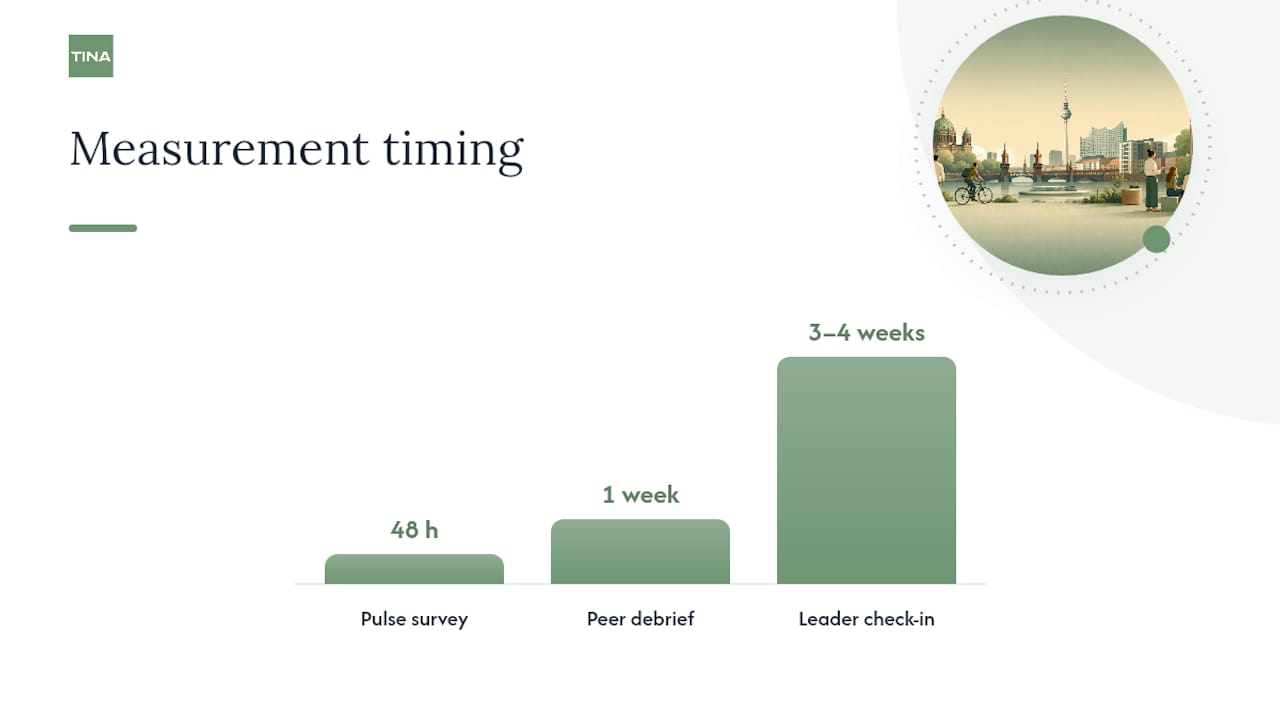
For measurement, keep it simple: send a two minute pulse survey within 48 hours, run an informal peer debrief a week later, and have team leads check in again at the three to four week mark to see if anything from the day actually stuck.
| Point | Details |
|---|---|
| Objective first | Choose bonding, creativity, alignment, or reward before picking an activity. |
| Group size sets format | Half day suits 8 to 20 people; full day works for 15 to 40. |
| Budget scales with venue and materials | Boat charters and premium ateliers cost more than standard workshop spaces. |
| Measure at three intervals | Survey at 48 hours, debrief at one week, leader check in at three to four weeks. |
Sample Agendas You Can Copy for Your Next Retreat
Steal these outright and adjust the names.
Half day (4 hours):
- 9:00, welcome coffee and framing from a team lead
- 9:30, artisanal workshop (pottery or chocolate crafting)
- 12:00, shared lunch built around what the team made
- 13:00, closing circle with one reflection prompt each
Full day (7 to 8 hours):
- 9:00, arrival and light icebreaker
- 9:30, active or outdoor block (foraging, scavenger hunt)
- 12:30, market hall lunch and cooking session
- 15:00, quieter craft block (jewelry, tufting)
- 18:00, evening social or boat charter
Multi day offsite:
- Day one: strategy sessions in the morning, artisan workshop in the afternoon
- Day two: outdoor or cultural activity, evening fine dining
- Day three: half day wrap up, optional extended stay for anyone bleeding into personal travel
If you're flying people through BER, build in a buffer, immigration and baggage can eat an hour you didn't budget. Bleisure extensions are a growing pattern in Germany's 2026 MICE trends, so expect a portion of your group to tack on personal days, and plan your accommodation block accordingly.
Why Artisanal, Hands On Experiences Work
Manual work is the great equalizer. Nobody has muscle memory for tufting or pasta rolling on day one, so the usual office pecking order simply has nowhere to attach itself. That's not a nice sentiment, it's the mechanism.
The teams that report the biggest shifts aren't the ones who did the fanciest activity. They're the ones who made something together and had to depend on each other to finish it.
TINA has run dozens of these events across Berlin with a network of local artisans, working with teams from companies like N26, Figma, and Wolt, and has redistributed a significant amount directly back to the craftspeople running the sessions. For hybrid teams, the same kit plus livestream approach Zuddl recommends keeps remote colleagues building the same object in real time, not just watching a screen.
Local Food and Beverage Experiences Unique to Berlin
Berlin's food scene rewards teams willing to skip the hotel banquet menu. Currywurst and doner are the obvious street food entry points, but a retreat gets more mileage from something a team makes together, like a hands on pasta or pizza session led by an actual Italian trained cook based in the city.
Craft breweries have multiplied across Neukölln and Friedrichshain over the past several years, and many run private tasting sessions that pair naturally with a relaxed evening block after a more active day. Wine tasting evenings work the same way for teams that lean toward a quieter reward format. If your group includes a mix of dietary needs, chocolate crafting workshops tend to be the easiest to adapt, since most artisans can swap dairy or allergen heavy ingredients without changing the experience.
The throughline across all of it: food experiences that involve making something, not just eating it, consistently outperform a standard catered dinner for actual team conversation. A group hunched over a pasta board talks more than a group seated formally around a banquet table, simply because there's something to do with their hands between sentences.
Team Building Exercises Tailored to Berlin's Urban Environment
Berlin's layout and history give planners raw material that generic team building agencies can't replicate anywhere else. A scavenger hunt through Kreuzberg hits differently than one through a suburban office park, because the city itself keeps interrupting with something worth stopping for.
Street art walks that end in a supervised graffiti session work particularly well for creative teams, since the city's Kreuzberg and Friedrichshain districts are dense with legal wall space and experienced local artists willing to teach. Cold War history tours, especially ones that end at the East Side Gallery or a former checkpoint site, pair naturally with a facilitated reflection on change and resilience, themes that land differently in a city that's rebuilt itself twice in a century.
For teams craving something physical, urban orienteering challenges that route through Tiergarten or along the Spree work as a lower cost alternative to a full workshop booking, though they lack the tangible artifact a craft session produces. In person participation matters here too: teams generating new ideas together in the same room consistently outperform those brainstorming apart, so if your objective is ideation rather than pure bonding, weight your agenda toward in person blocks whenever possible.
Seasonal Considerations for Timing Your Berlin Retreat
Berlin's weather splits the calendar cleanly. Late spring through early fall (May through September) gives you reliable outdoor conditions for Wannsee excursions, boat charters, and market tours, and it's the window most planners default to for a reason.
Winter retreats (November through February) push naturally toward indoor artisanal formats, pottery studios, chocolate ateliers, and warm market hall sessions, all of which work just as well in the cold, arguably better, since nobody's distracted by a nice day outside. December carries its own advantage: Berlin's Christmas markets add a built in social backdrop for an evening block, though venues book up early in that stretch, so lock dates by September if you want a December date.
Watch the local events calendar before you commit to dates. Berlin Fashion Week, major conferences, and citywide festivals can spike hotel prices and tie up popular venues weeks in advance. A quick calendar check against the Berlin tourism events schedule before booking saves you from discovering your preferred atelier is already reserved for a fashion showcase.
Why I Prefer Authentic Artisan Experiences for Retreats
Two rules guide every recommendation in this piece. First, if an activity doesn't produce something a team can point to later, it's forgettable by Monday. Second, if everyone in the room already knows how to do it, skip it, the whole value comes from shared beginner status.
I've seen a finance team go quiet, then loud, then genuinely collaborative over forty minutes of badly shaped clay bowls. Nobody remembers who led that meeting. Everyone remembers the bowls.
If you want a format matched to your team's actual dynamic rather than a generic list, ask us directly.
How TINA Helps You Plan a Berlin Retreat That Actually Works
Tinaexperiences is the alternative to booking a generic events agency or a neon lit party venue for your Berlin offsite: you get direct access to real local artisans, transparent pricing with automated invoicing, and a booking flow that skips the back and forth quoting most agencies drag out for weeks.
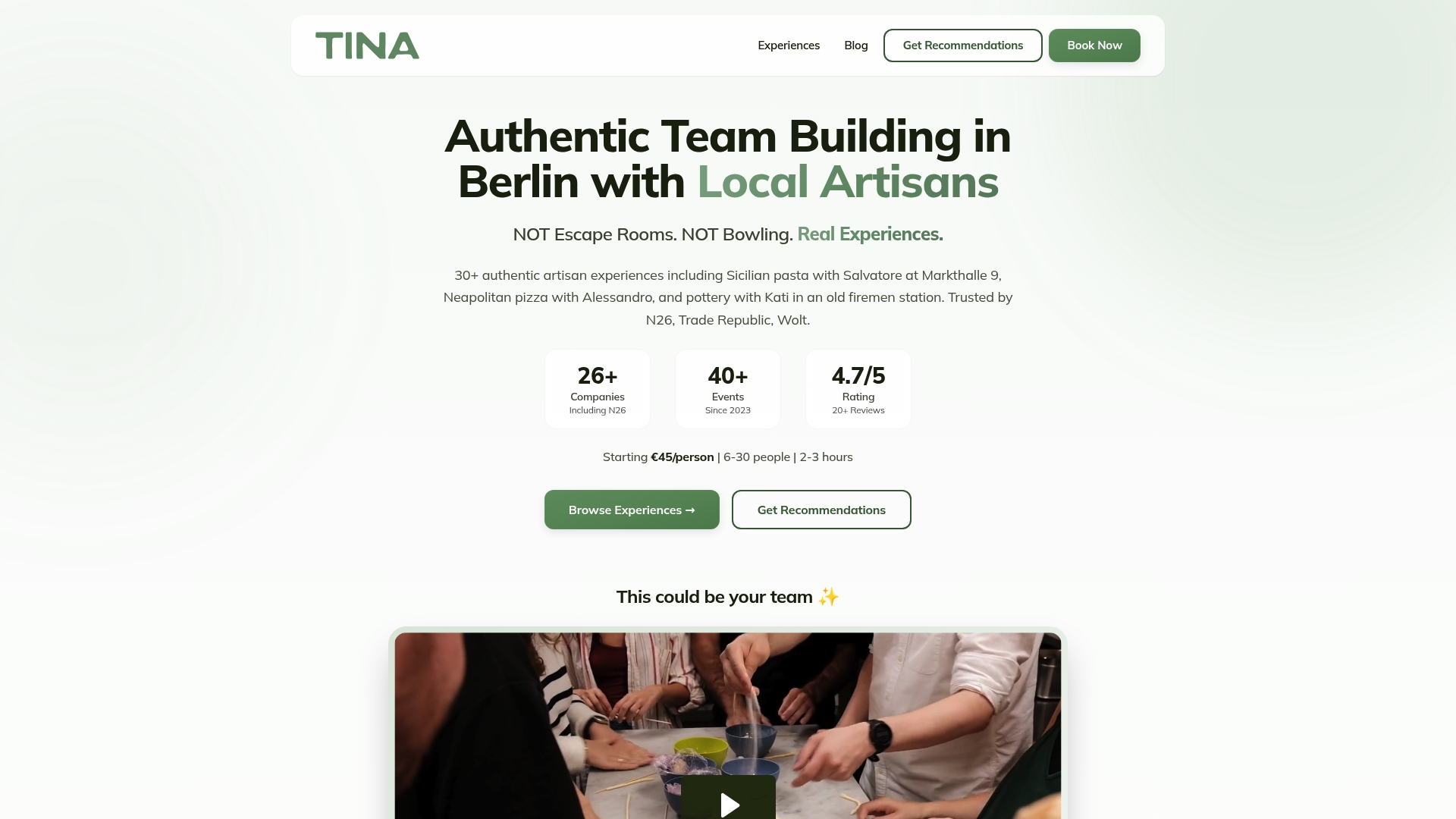
The core offering covers curated workshops (pottery, tufting, pasta making, foraging, pizza, wine tasting, fine dining), venue sourcing for spaces like Markthalle Neun and private ateliers, and hybrid support with kits and livestream facilitation for distributed teams. TINA has run 40+ events with 20+ artisan partners across Berlin, working with teams from N26, Figma, and Wolt, and has put more than €75,000 directly into the pockets of the craftspeople leading these sessions rather than a corporate events middleman.
If you're ready to move past escape rooms and forced trivia nights, plan your team offsite and get a proposal built around your group size, objective, and dates.