
What are the best team kickoff event ideas for 2026?
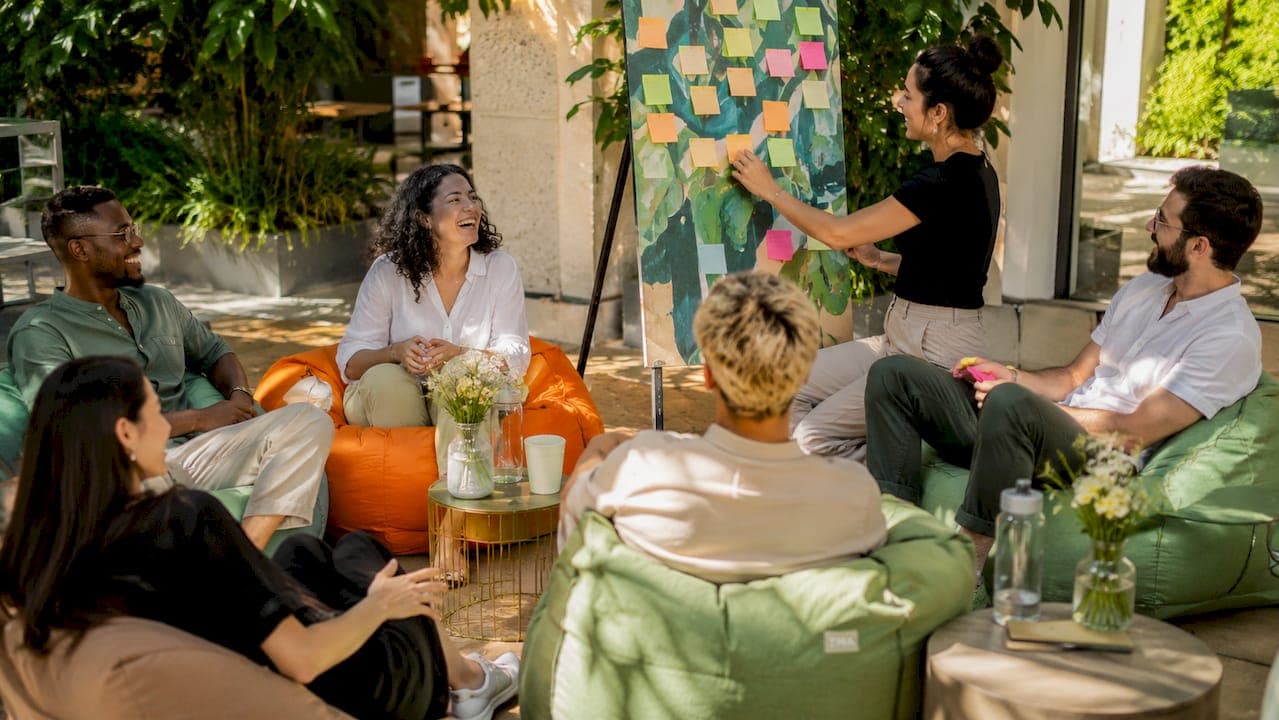
The best team kickoff events do one thing above all else: they make people feel genuinely connected, not just informed. Whether you're launching a new quarter, welcoming new hires, or resetting after a rough stretch, the format you choose sets the tone for everything that follows.
Here's a mix of formats that work across different team sizes and goals:
- Artisan craft workshops (pottery, tufting, pasta making, jewelry): Everyone starts as a beginner. The CEO and the intern are on the same level, which breaks social barriers faster than any icebreaker game ever could. These tactile team activities are especially effective for new or cross-functional teams.
- Foraging and cooking sessions: Teams gather ingredients together, then cook and eat as a group. The shared meal deepens the experience. Research consistently shows that food drives bonding in ways that structured activities rarely match.
- Vision and goal setting workshops: A facilitated session where the team builds a shared picture of the year ahead. Works best when it's collaborative, not a top-down presentation.
- Storytelling circles: Each person shares one professional win and one lesson from the past period. Low cost, high impact, and surprisingly memorable.
- Wine or chocolate tasting with a local expert: Relaxed, sensory, and social. Pairs well with a short team retrospective before or after.
- Outdoor urban exploration: A city walk or neighborhood discovery challenge in Berlin or another Central European city. Great for teams that spend too much time at screens.
- Hybrid kickoff with a live craft component: Remote participants join via video for the presentation portion, while in-person attendees do a hands-on activity together. Structured well, this format respects both groups.
- Wellness morning: Yoga, breathwork, or a guided nature walk followed by a team breakfast. Particularly effective at the start of a high-pressure quarter.
- Creative challenge sprint: Teams compete to design, build, or pitch something within 90 minutes. Works well for product and design teams who enjoy making things.
- Local artisan studio visit: Tour a real workshop, meet the maker, and try the craft yourself. In Berlin, venues like Markthalle Neun and independent ateliers offer this kind of access.
Keep duration in mind. For a pure kickoff meeting, 60–90 minutes is the recommended range. For a full event with an activity and social time, plan for roughly 2.5 hours of core activity plus an informal dinner or drinks afterward.
How to run a successful and engaging team kickoff event
The most common planning mistake is choosing the activity before defining the goal. Start with the objective, and let it drive every other decision, from the venue to the agenda to who you invite.
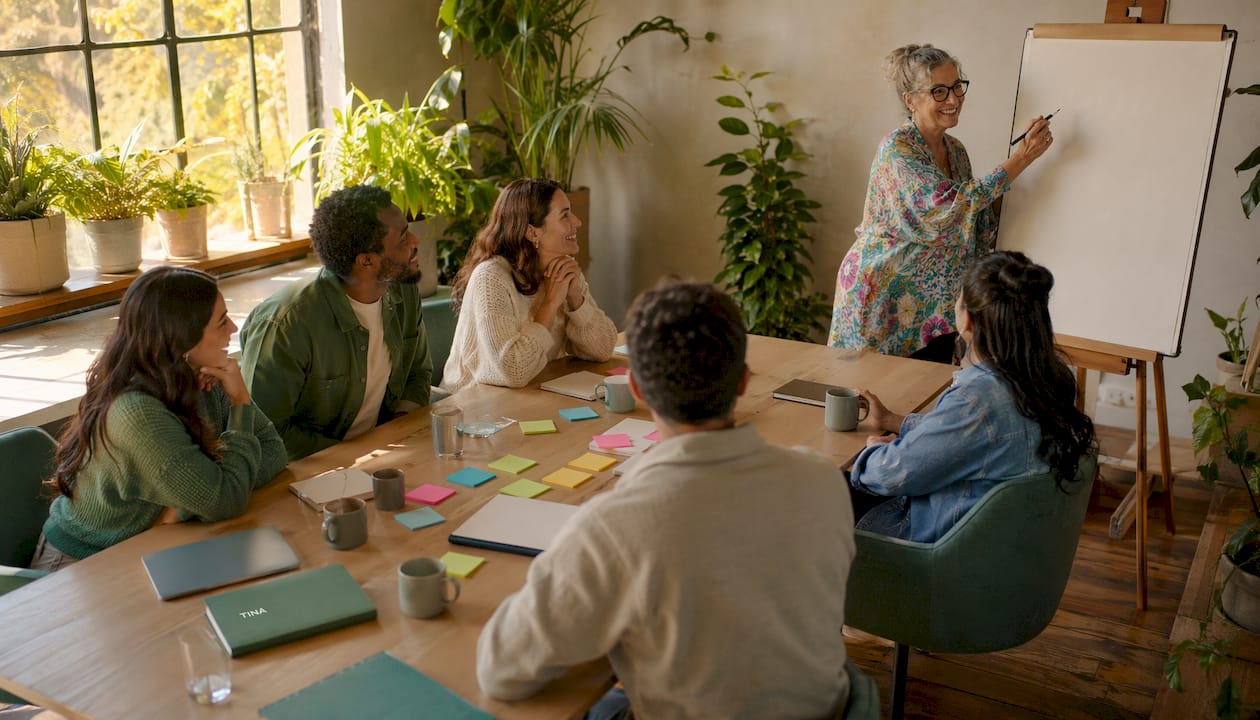
Define your objective first. Are you aligning the team on a new strategy? Welcoming new joiners? Celebrating a milestone? The answer shapes the entire program. A celebration calls for something festive and low-pressure. An alignment session needs structured discussion time. Mixing the two without intention leads to an event that does neither well.
Build an agenda that balances structure with breathing room. Long presentations kill energy. Participatory activities keep it alive. A good kickoff alternates between information sharing and doing something together. Leave gaps in the schedule for informal conversation. Unstructured social time produces stronger trust outcomes than back-to-back programming, particularly for remote and hybrid teams who rarely share spontaneous moments.
Match the tone to your team's culture. Central European teams, like their Scandinavian counterparts, tend to respond better to transparent, inclusive facilitation than to competitive formats or hierarchical presentations. Avoid anything that puts people on the spot or rewards individual performance over collective effort.
Here are the practical elements that make the biggest difference:
- Use a parking lot: Capture off-topic ideas on a visible board rather than shutting them down. This keeps the session focused while making everyone feel heard.
- Set clear outcomes: Every attendee should leave knowing the next steps and their role in them.
- Follow up within 48 hours: Send a summary with key decisions, goals, and action items. Momentum fades fast without reinforcement.
- Collect feedback: A short post-event survey tells you what landed and what to adjust next time.
Pro Tip: Rotate the "trainer" or facilitator role during workshop activities rather than assigning it to the most senior person. Research from MIT Sloan shows that rotating trainer roles reduces status friction and helps teams learn together more effectively, even when junior colleagues end up guiding more senior ones.
How do you choose the right kickoff event format?
Format choice comes down to four things: team size, team culture, your primary objective, and your budget. Getting one of these wrong can turn a well-intentioned event into a forgettable afternoon.
Team size is the most practical filter. Intimate formats like artisan workshops, storytelling circles, and wine tastings work best for groups under 30. For larger groups, a proven structure is an afternoon activity of 2.5–3 hours followed by an evening dinner or reception. This format avoids dead time and keeps energy consistent across the day.
Team culture matters more than most planners admit. A team of engineers who communicate primarily in writing will respond differently to a live improv exercise than a sales team that thrives on performance. Craft-based workshops tend to work across cultures precisely because they remove the pressure to perform verbally. Nobody is judged on what they say; they're judged on whether their pasta holds together.
Here's a quick format guide by objective:
- Alignment and strategy: Facilitated workshop with breakout groups, followed by a shared meal. Keep presentations under 20 minutes each.
- Bonding and trust building: Hands-on artisan experience, cooking class, or outdoor challenge. Prioritize activities with an equal learning curve.
- Onboarding new team members: Low-stakes social format like a tasting or a studio visit. The goal is comfort, not performance.
- Celebrating a milestone: Incentive-style experience with a premium feel. Fine dining with a local chef, a private wine tasting, or a curated corporate dining experience works well here.
- Remote or hybrid teams: A hybrid format with a live craft component for in-person attendees and a facilitated discussion for remote participants. Prioritize unstructured social time in the virtual portion.
Budgeting tip: Per-person costs vary widely depending on venue, catering, and facilitation. Workshop-style events with a local artisan tend to offer better value than generic agency packages because you're paying for a real experience, not overhead. Book 2–3 weeks ahead for groups under 30, and 4–6 weeks ahead for groups of 30–100.
For teams spread across Central Europe, day offsite formats that combine a structured activity with an evening program are consistently the most effective. They give people enough time to actually connect without requiring overnight travel.
Why artisan experiences work so well for Central European teams
There's a reason companies like N26, Figma, and Wolt have chosen artisan-led events over generic corporate entertainment. When everyone in the room is equally bad at something, the usual office dynamics disappear. The hierarchy flattens. The conversation gets real.
Tinaexperiences connects corporate teams in Berlin with local artisans for exactly this kind of experience. Pottery, tufting, pasta making, pizza workshops, chocolate crafting, and wine tasting are all available, held in real venues like Markthalle Neun, independent ateliers, and even directly in your office. Every experience is led by a named artisan with genuine expertise in their craft.
The booking process is straightforward. Transparent pricing, automated invoicing, and detailed artisan profiles mean you know exactly what you're getting before you commit. For HR managers and team leads who are already stretched thin, that clarity matters. No back-and-forth with a sales team, no surprise costs.
Tinaexperiences has completed 40+ events, works with 20+ artisan partners, and has redistributed €75k+ directly to local Berlin artisans. That's not a corporate agency model. It's a direct connection between your team and the people who actually make things in this city.
For teams planning a full day away, the team offsite planning page covers formats that combine a morning workshop with an afternoon program and evening dinner, a structure that consistently produces the strongest team cohesion outcomes.
What makes these experiences land in 2026 specifically is the cultural moment. Teams are returning to in-person work after years of remote or hybrid arrangements. People are out of practice at being in the same room together. A craft workshop removes the awkwardness of forced small talk by giving everyone something to do with their hands. The conversation happens naturally, around the clay or the dough, not because a facilitator told everyone to "share one fun fact."
For workshop-based team events that go beyond the typical, Tinaexperiences is the most direct option for Berlin-based and Central European teams.
Ready to book something your team will actually remember? Browse artisan experiences and find the right fit for your next kickoff.
Key Takeaways
The most effective team kickoff events combine a clear objective, a format that fits your team's culture, and at least one moment where hierarchy disappears and people connect as equals.
| Point | Details |
|---|---|
| Start with the objective | Define your goal before choosing any activity; the objective shapes every other decision. |
| Match duration to format | Kickoff meetings work best at 60–90 minutes; full events need roughly 2.5 hours of activity plus social time. |
| Prioritize equal learning curves | Artisan crafts and hands-on workshops flatten hierarchy because everyone starts as a beginner. |
| Build in unstructured time | Spontaneous conversation builds more trust than back-to-back programming, especially for hybrid teams. |
| Follow up within 48 hours | Send a summary with decisions and next steps to keep momentum alive after the event ends. |