
TL;DR:
- Effective team building fosters genuine connections through low-stakes, repetitive activities paired with structured debriefs. Incorporating shared challenges like artisan workshops and micro-challenges builds trust and breaks hierarchy naturally. Regular reflection using the ORCA framework turns experiences into lasting cultural improvements and stronger collaboration.
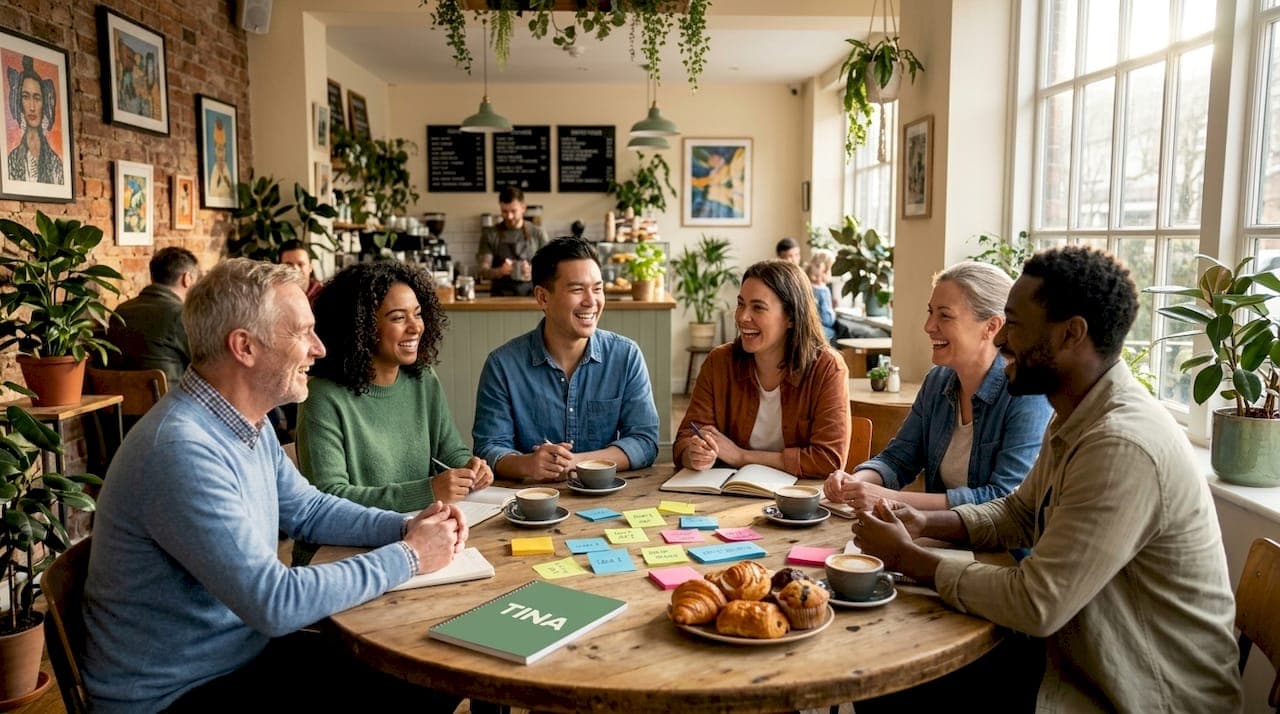
Team building activities that don't suck are defined by one quality: they create genuine connection through shared challenge, not manufactured fun. The best ones combine low-stakes participation, psychological safety, and a structured way to reflect on what happened. Research confirms that small, frequent wins build engagement more reliably than large one-off events. This article gives you seven specific, research-backed activities, plus the debrief method that turns any experience into lasting culture change.
What makes team building activities engaging and effective?
Most team building exercises fail for the same reason: they put people in uncomfortable, high-stakes situations and call it fun. The activities that actually work share a different design logic.
The key features of effective team bonding experiences are:
- Low stakes, repeated format. Psychological safety builds when teams practice failing at small things together. A weekly trivia round or a photo contest costs nothing and compounds trust over time.
- Structured reflection. Fun without a debrief is just entertainment. The ORCA framework (Objective, Result, Cause, Action) converts any shared experience into a learning moment your team actually remembers.
- Behavioral signals. Nodding and supportive silence are directly linked to idea originality and consensus building in hybrid teams. Good activity design creates space for these micro-signals to happen naturally.
- Normalized imperfection. Starting a session with "worst ideas first" warm-ups relaxes participants and increases creative output. Nobody performs when they feel judged.
Pro Tip: Run a "worst idea" round before any brainstorm or group challenge. Ask each person to pitch the most absurd solution they can think of. It takes 90 seconds and immediately drops the social pressure in the room.
The standard industry term for this design approach is experiential learning. You will see it used alongside the informal phrase "team building activities that don't suck" throughout this article, because both matter: one signals expertise, the other signals you know what your team actually needs.
1. Weekly photo micro-challenges
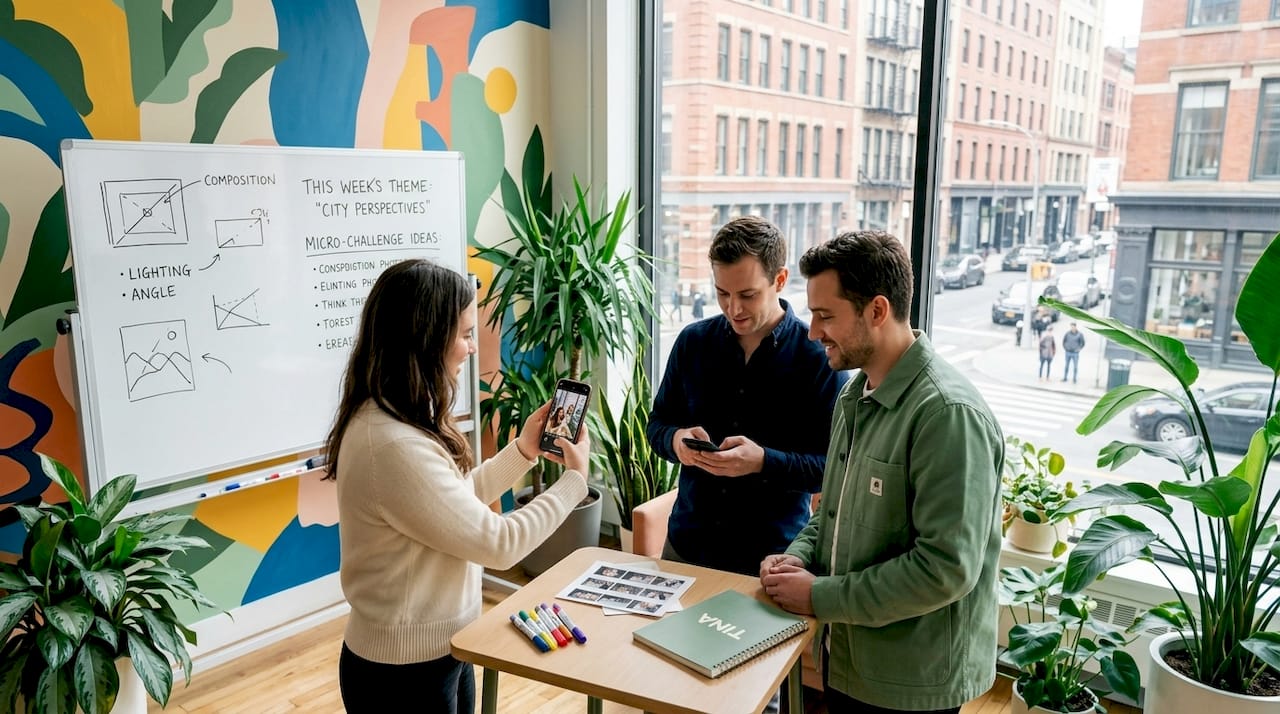
Assign a theme every Monday. "Most creative desk setup." "Best lunch." "Weirdest thing you saw this week." Teams share photos in a Slack channel and vote on Friday. No cash prize, no performance pressure. Low-stakes recurring challenges improve team communication and trust over a four-week period more effectively than a single big event. The ritual matters more than the activity itself.
2. Applied improvisation sessions
Improv is not about being funny. It is about listening, building on what someone else says, and staying present. Applied improvisation games like "Yes, And" or "One Word Story" train exactly the collaboration muscles your team uses in meetings and sprints. Companies like Google and IDEO have used improv workshops to build creative team challenges into their culture. A 60-minute session with a facilitator costs less than a team dinner and produces more behavioral change.
3. Artisan-led craft workshops
This is where hierarchy disappears. Put a senior engineer and a new hire in front of a pottery wheel or a tufting frame, and they are both equally lost. Nobody has an advantage. Tactile, hands-on experiences break the social pecking order that makes most team events feel awkward. Tinaexperiences runs exactly these kinds of sessions in Berlin, connecting corporate teams with real artisans for pottery, tufting, pasta-making, and chocolate crafting. Companies like N26, Figma, and Wolt have used these formats. The result is not just a fun afternoon. It is a shared story your team tells for months.
4. Structured recognition contests with silly awards
Create a monthly award system your team actually controls. Categories like "Most Creative Workaround," "Best Slack Reaction," or "Unsung Hero of the Sprint" cost nothing and signal that you see people beyond their job titles. The key is keeping it genuinely silly and peer-nominated. Top-down recognition feels like performance review. Peer recognition feels like belonging. Authentic team building depends on this distinction.
5. Social deduction and strategic games
Games like Werewolf, Secret Hitler, or Coup put players in situations where they must read behavioral signals, form alliances, and decide who to trust. Research on trust under distrust conditions shows that repeated game interactions build trust formation even when betrayal is a real risk. These are not just fun team building games. They are practice environments for the exact dynamics your team navigates in real projects: incomplete information, competing priorities, and the need to read people accurately.
6. Idea hackathons with a "worst ideas first" warm-up
A hackathon does not need to last 48 hours. A three-hour afternoon session with a real problem and a structured warm-up is enough. Start every hackathon by asking each team to pitch their worst possible solution to the problem. This warm-up normalizes imperfection and unlocks genuine creative output. Then move into serious ideation. The contrast between the absurd and the real makes the serious ideas feel safer to share. Pair this with an ORCA debrief at the end and you have a full experiential learning cycle in one afternoon.
7. Food-centered experiences that build real connection
Cooking together, foraging, or sharing a meal prepared with a local artisan creates a natural rhythm of collaboration. Food drives team bonding in ways that structured activities often cannot, because the shared goal is concrete and the outcome is delicious. Tinaexperiences offers pasta-making and pizza workshops at real Berlin venues like Markthalle Neun, led by actual artisans. The format works because everyone contributes, nobody can fake it, and the meal at the end is a genuine shared achievement.
How to run meaningful debriefs that turn activities into lasting insights
The ORCA debrief method is the difference between a fun afternoon and a culture shift. ORCA stands for Objective, Result, Cause, Action. You start by asking what the goal was, then what actually happened, then why, then what you will do differently. The ORCA framework moves teams from experience to insight to action without blame.
The rules for a good debrief are simple:
- Keep it blame-free. The question is never "who failed" but "what can we change."
- Assign one owner and one deadline to every action item. Vague commitments destroy accountability. One owner per action is non-negotiable.
- Use a facilitator for groups larger than eight. Without one, the loudest voice dominates.
- For hybrid teams, structure deliberative pauses and backchanneling to keep remote participants engaged and psychologically safe.
"Treating team building activities as inputs with structured, blame-free debriefs turns fun into culture change." — Afterburner
Why repeated low-stakes challenges outperform big one-off events
The annual team offsite is not the problem. The problem is treating it as the only investment in team culture all year. Psychological safety is not built through checklist compliance. It grows through dynamic, ongoing interactions over time.
Small, frequent challenges like weekly trivia, monthly photo contests, or a running silly bet between departments create the micro-rituals that make teams feel like teams. The SUCCESS approach recommends keeping these challenges slightly absurd to compound trust and engagement. Absurdity signals safety. When people laugh together at low stakes, they feel safer taking real risks later.
Pro Tip: Pick one recurring micro-challenge and commit to it for six weeks before evaluating. Consistency is what builds the ritual. One week of trivia is a novelty. Six weeks is a team habit.
Key takeaways
The most effective team building activities combine low-stakes repetition, hands-on shared challenges, and structured ORCA debriefs to build genuine trust and lasting collaboration.
| Point | Details |
|---|---|
| Low-stakes repetition wins | Weekly micro-challenges build more trust over time than a single big event. |
| Debrief every experience | Use the ORCA framework to assign owners and deadlines after every activity. |
| Break hierarchy with craft | Artisan workshops put everyone on an equal learning curve, removing social barriers. |
| Normalize imperfection | "Worst ideas first" warm-ups reduce performance pressure and unlock real creativity. |
| Behavioral signals matter | Nodding and supportive silence in hybrid settings directly support trust and idea quality. |
What I have learned from watching teams make pasta together
I have seen a lot of team events. The ones that actually change how people work together share one quality: nobody could fake their way through them. You cannot pretend to know how to shape orecchiette. You cannot bluff your way through a tufting frame. The moment a senior manager and a junior designer are both laughing at their lopsided bowl, something real happens. The office rank disappears, and two people just figure something out together.
The biggest mistake I see HR managers make is treating the activity as the product. It is not. The activity is the container. What you put inside it, the debrief, the follow-up, the recurring ritual, is what actually changes behavior. A pottery session without a five-minute reflection at the end is a nice afternoon. A pottery session followed by an honest ORCA debrief is the start of a team that communicates differently.
My honest recommendation: stop looking for the perfect one-off event and start designing a rhythm. One hands-on experience per quarter. One micro-challenge per week. One debrief after every meaningful moment. That rhythm is what unique team activities are actually for.
— Tina
Explore real team building experiences with Tinaexperiences
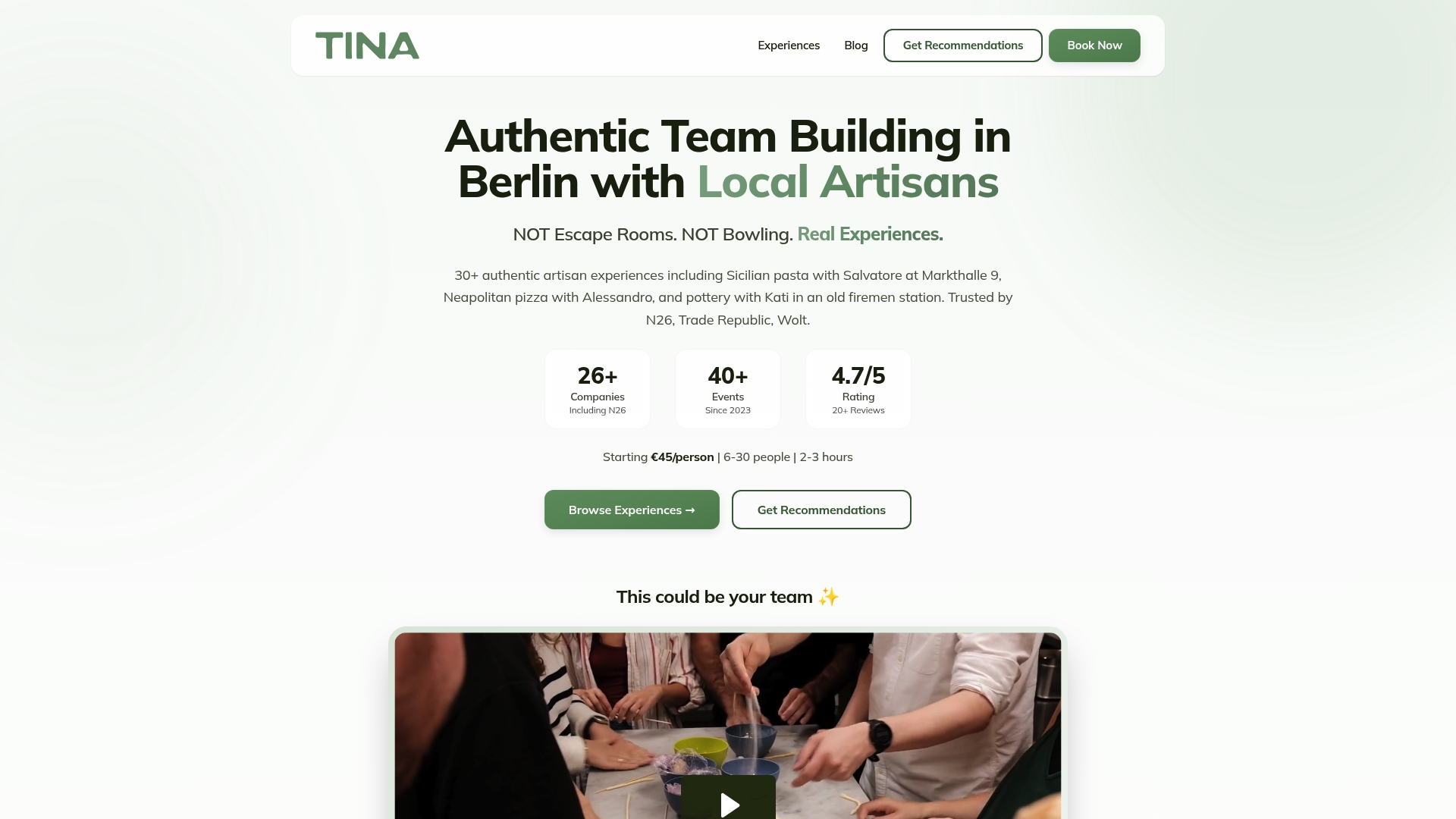
Tinaexperiences connects corporate teams in Berlin with real local artisans for hands-on workshops that actually work. Pottery, tufting, pasta-making, chocolate crafting, and more, all at real venues or directly in your office. Companies like N26, Figma, and Wolt have used these formats to break hierarchy, build trust, and give their teams a story worth telling. Every experience can be paired with a structured debrief to turn a great afternoon into a genuine culture investment. Browse artisan-led team building options, check out team offsite formats, or explore creative workshops in Berlin to find the right fit for your group.
FAQ
What makes a team building activity actually effective?
Effective team building activities combine low-stakes participation, a shared physical or creative challenge, and a structured debrief. The ORCA framework (Objective, Result, Cause, Action) is the most reliable method for converting any shared experience into measurable behavior change.
How often should teams do team building exercises?
Small, recurring challenges like weekly trivia or monthly contests build more trust than infrequent large events. Aim for one hands-on experience per quarter and at least one micro-challenge per week to maintain momentum.
Why do artisan craft workshops work so well for team bonding?
Craft workshops place everyone on an equal learning curve. Nobody arrives knowing how to throw clay or operate a tufting frame, so office hierarchy dissolves naturally and genuine peer connection becomes possible.
How do you run a debrief after a team activity?
Use the ORCA method: define the Objective, describe the Result, identify the Cause, and agree on an Action. Assign one owner and one deadline to every action item. Ambiguity in ownership is the single most common reason debrief insights never get implemented.
What are the best low-stakes team building ideas for hybrid teams?
Weekly photo challenges, peer recognition contests, and short improv games work well for hybrid groups. For remote participants, structure deliberate pauses and backchanneling during virtual sessions to maintain psychological safety and equal participation.