
TL;DR:
- Effective team activities in Berlin combine clear purpose, structured reflection, and meaningful contribution to building trust and skills. Using briefings, facilitation frameworks like Kolb's cycle, and repeated practice enhances long-term team cohesion. Authentic, well-designed experiences foster genuine collaboration and should be integrated into ongoing strategies for real cultural change.
Most corporate group activities feel great in the moment and vanish from memory by Monday morning. The problem is not the activity itself. It is that one-off fun activities like bowling entertain but rarely build skills without deeper framing and a proper debrief. If you are an HR manager or event planner in Berlin, this guide gives you the science, the frameworks, and the real Berlin activity ideas you need to turn any group experience into something your team actually remembers and grows from.
Table of Contents
- What makes a group activity 'meaningful'?
- How to clearly explain objectives and why it matters
- Facilitation frameworks: From setup to impactful debrief
- Addressing common pitfalls and nuances
- Berlin-tested group activity ideas to inspire your team
- Why a strategy, not a one-off event, delivers real change
- Plan your next meaningful team building experience
- Frequently asked questions
Key Takeaways
| Point | Details |
|---|---|
| Clear purpose drives impact | Explaining objectives and structure transforms surface-level fun into real team growth and connection. |
| Facilitation frameworks matter | Using proven processes like briefings, debriefs, and reflection ensures learning sticks from every activity. |
| Local culture enhances bonding | Berlin-based group activities that honor the city’s culture and community have stronger engagement and meaning. |
| Pitfalls can be preempted | Proactive planning for interactivity, accessibility, and full debrief time prevents common activity failures. |
| Ongoing strategy wins | Sustained, purpose-led activities produce a real shift in team trust and performance, beyond one-off events. |
What makes a group activity 'meaningful'?
Not all group activities are created equal. Some leave people energized and closer. Others just fill a Thursday afternoon. So what is the difference?
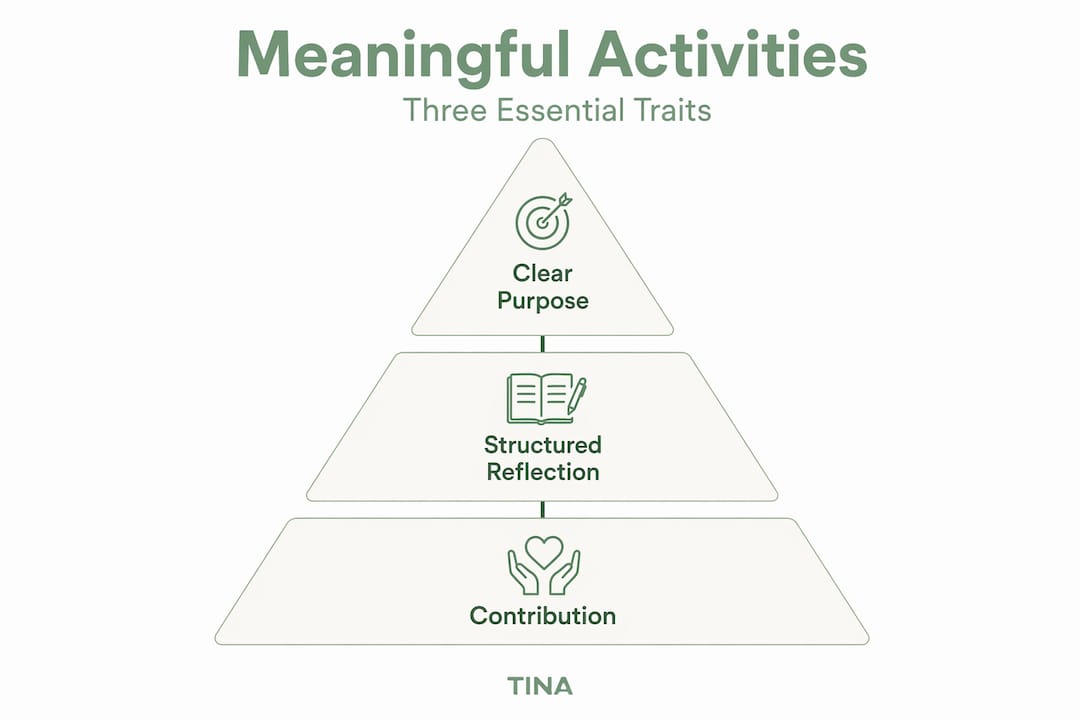
Meaningful activities share three traits: a clear purpose, a structured reflection, and a contribution beyond entertainment. When those three ingredients are present, the results are measurable. Regular team building can deliver $4 to $6 return on every $1 spent, boost productivity by 14%, and raise profitability by 23%. Those numbers come from intentional design, not from booking the nearest activity and hoping for the best.
| Activity type | Purpose defined? | Debrief included? | Lasting impact? |
|---|---|---|---|
| One-off fun event | ❌ | ❌ | Low |
| Structured workshop | ✅ | ✅ | High |
| CSR initiative | ✅ | Optional | Medium to high |
| Authentic craft session | ✅ | ✅ | High |
In Berlin specifically, the options for meaningful activities are rich. CSR volunteering days, city culture quests, and hands-on craft workshops all have the raw material for real team bonds. But raw material alone is not enough. Purpose-driven activities blend collaboration with community impact and foster genuine team bonds only when the why is communicated up front.
"The difference between a fun outing and a meaningful experience is intention. When people understand why they are doing something together, they show up differently."
Want to understand the broader picture of what binds teams together? This team bonding guide for Berlin teams is a great starting point.
How to clearly explain objectives and why it matters
Defining meaningful activities is only valuable when you communicate their intent. Here is how to do it right.
Effective explanation includes pre-activity briefings on objectives, rules, and expected behaviors. This creates psychological safety, the shared understanding that it is okay to participate, make mistakes, and speak up. Without it, people hold back. And when people hold back, nothing real happens.
Here is a simple briefing structure you can use before any Berlin team event:
- State the purpose in one sentence. Example: "Today we are making pasta together to practice collaboration under pressure, not to win a cooking competition."
- Explain the rules simply and clearly, including any physical or language accommodations.
- Set behavioral norms. Encourage curiosity, not competition. Remind the team that everyone starts at the same level.
- Preview the debrief. Let participants know there will be a structured reflection at the end. This primes them to notice what is happening during the activity.
- Invite questions before you begin.
Psychological safety is the real foundation here. Use check-ins and shared norms to ensure every participant feels secure. That includes the new intern AND the senior manager. In fact, one of the most powerful things about hands-on craft activities is that nobody knows how to throw clay or roll pasta dough on their first try. That shared vulnerability breaks down hierarchy fast.
Pro Tip: Keep your opening briefing under five minutes. Long intros kill momentum. Say what matters, set the tone, then let the experience begin.
Use this team-building checklist to make sure your pre-event communication covers every base.
Facilitation frameworks: From setup to impactful debrief
Once objectives are clear, a solid facilitation structure brings meaningful participation to life.
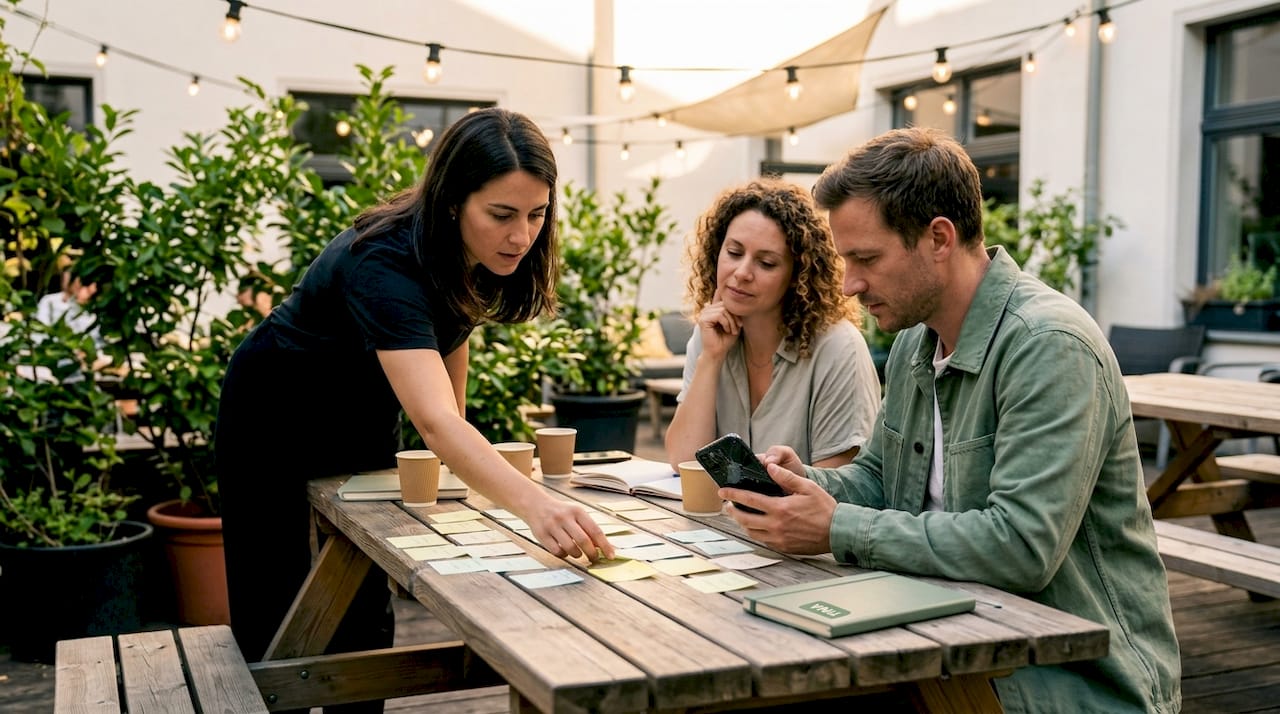
Start with group size. Small groups of four to six people allow everyone to contribute and make it harder for anyone to coast. For larger Berlin corporate teams, split into breakout groups and rotate facilitators. Timebox each phase so energy stays high and the session does not drift.
The most effective facilitation framework for team learning is Kolb's experiential learning cycle. It works in four stages: do, reflect, conceptualize, apply. Kolb's cycle enhances learning transfer because it moves people from raw experience to conscious understanding to real-world application. Without it, experience stays experience. With it, experience becomes growth.
Here is how the cycle maps onto a Berlin workshop session:
- Do: Your team makes chocolate truffles, shapes pottery, or builds a sustainable tote bag together.
- Reflect: What happened? What surprised you? What felt hard?
- Conceptualize: What does that tell us about how we work together back at the office?
- Apply: What is one thing we will do differently next week?
The debrief is where the magic happens. Use the debrief framework built around "What happened? What did we learn? How do we apply it?" and add emotional reflection and micro-commitments. A micro-commitment is a simple, specific action a person agrees to take. It makes the learning stick.
| Phase | Duration | Facilitator focus |
|---|---|---|
| Briefing | 5 min | Clarity, safety, norms |
| Activity | 45-90 min | Energy, observation |
| Debrief | 15-20 min | Reflection, application |
| Micro-commitments | 5 min | Action planning |
Pro Tip: Assign one person in each small group to act as an observer during the activity. Their job is to notice team dynamics, not participate. This gives the debrief richer material to work with.
For a step-by-step walkthrough of how artisan workshops follow this flow, read about the team bonding workflow or explore what experiential team building looks like in practice.
Addressing common pitfalls and nuances
Even with smart design and facilitation, pitfalls can derail group activities. Here is what to watch out for.
Common edge cases include disengagement, accessibility issues, tense competitive dynamics, and rushed debriefs. Each one is fixable if you plan for it.
- Disengagement: Keep tasks hands-on and rotate roles every 15 to 20 minutes. Passive observers disengage fast. Movement and tactile work keep people present.
- Accessibility: Ask participants about mobility needs and language preferences before the event. Have low-tech backup options ready. In Berlin's diverse corporate world, this step is non-negotiable.
- Over-competition: Frame success as collective, not individual. Leaderboards and prizes shift attention away from collaboration and toward ego.
- Rushed debriefs: This is the most common mistake. Planners run out of time and skip or shorten the debrief. Do not let this happen. The debrief is not optional. It is the point.
- Piloting: If you are running a new format, test it with a small group first. Berlin facilitators consistently recommend a pilot session before rolling out to large teams.
Pro Tip: If competitive tension rises during an activity, pause and restate the shared goal. A simple "remember, we all win when the team wins" can reset the room quickly.
Explore how collaborative workshops in Berlin handle these dynamics with real artisan-led formats.
Berlin-tested group activity ideas to inspire your team
With a toolbox of frameworks, let us look at Berlin-tested ideas that truly work.
Local favorites include Berlin Gives Back CSR days, Urban Challenger app-based city quests, and creative tours around the Berlin Wall and Holzmarkt 25. All of them foster collaboration and cultural appreciation when framed with intention.
Here are activities worth considering, with honest framing suggestions:
- 🍝 Pasta making workshop: "Today we practice clear communication under time pressure, using flour and eggs instead of spreadsheets."
- 🏺 Pottery session: "This is about patience and trusting your team. Nobody here has done this before. That is the whole point."
- 🍫 Chocolate crafting: "We are exploring creativity and creative risk-taking together. Expect some unexpected results."
- 🌿 Sustainable merchandise making: "Today connects to our company values around sustainability. Let us create something real together."
- 🏙️ Urban city quest: "This is a problem-solving challenge. Your communication skills are your most important tool today."
Pair these with a structured briefing and debrief, and you have a session with real impact. Browse artisan workshops for more curated Berlin options, or discover unique Berlin team events built specifically for real collaboration. If you are ready to move fast, you can also book unique team events directly.
Why a strategy, not a one-off event, delivers real change
Here is an opinion that might push back against the way most Berlin companies plan their team events: one great experience is not enough.
Sustained trust and improved communication require ongoing strategies. Skipping openings or debriefs breaks the chain of learning. And doing one beautiful pasta workshop a year, with no follow-up, no reflection cycles, and no connection to daily work culture? That is just a nice dinner. Nothing more.
The real shift happens when you treat group activities as a repeated practice. Think of it like fitness. One session at the gym does not change your body. Consistent sessions, with intention and reflection, do. The same logic applies to team culture.
Your role as an HR manager or event planner is not just to book experiences. It is to nurture cycles of experience, reflection, and application. That is what builds teams that actually trust each other, communicate honestly, and collaborate when the pressure is on. Real facilitators in Berlin know this. The best ones will tell you that the debrief is where the relationship between the event and the workplace gets built.
When you commit to authentic team building as an ongoing strategy rather than a calendar checkbox, the results compound. Culture does not change in a day. But it absolutely changes through intentional, repeated experiences.
Plan your next meaningful team building experience
You now have the frameworks, the ideas, and the Berlin context to design group activities that genuinely matter. The next step is finding the right experience.
TINA connects Berlin corporate teams with real local artisans for hands-on workshops that are easy to book, beautifully facilitated, and designed with purpose. Whether you want a pasta session in your office or a chocolate workshop at a Berlin atelier, every experience comes with clear structure and a story your team will actually talk about. Explore curated Berlin team building experiences or start planning a full team offsite with expert support. Authentic, hands-on, and genuinely memorable. That is what your team deserves.
Frequently asked questions
What is the ideal group size for meaningful activities?
Small teams of 4 to 6 people are optimal for engagement. Groups of 3 to 5 with rotating facilitators consistently produce the best results in workshop settings.
How long should a debrief take after a group activity?
A debrief should run 10 to 20 minutes. Tying the reflection directly to workplace behaviors is what makes the time count.
What are some examples of meaningful group activities in Berlin?
CSR volunteering days, Urban Challenger city quests, and creative workshops are all proven options. Berlin Gives Back days, app-based quests, and Holzmarkt 25 tours are especially popular with corporate teams.
How do you ensure activities are accessible for all team members?
Ask about mobility and language needs before the event. Pre-event accommodation checks and low-tech backup plans keep every participant included and engaged.
Do virtual activities yield the same benefits?
They can, when structured well. Virtual team building is 75% cheaper and can deliver 12% higher ROI compared to unstructured in-person events when designed for genuine engagement.