
TL;DR:
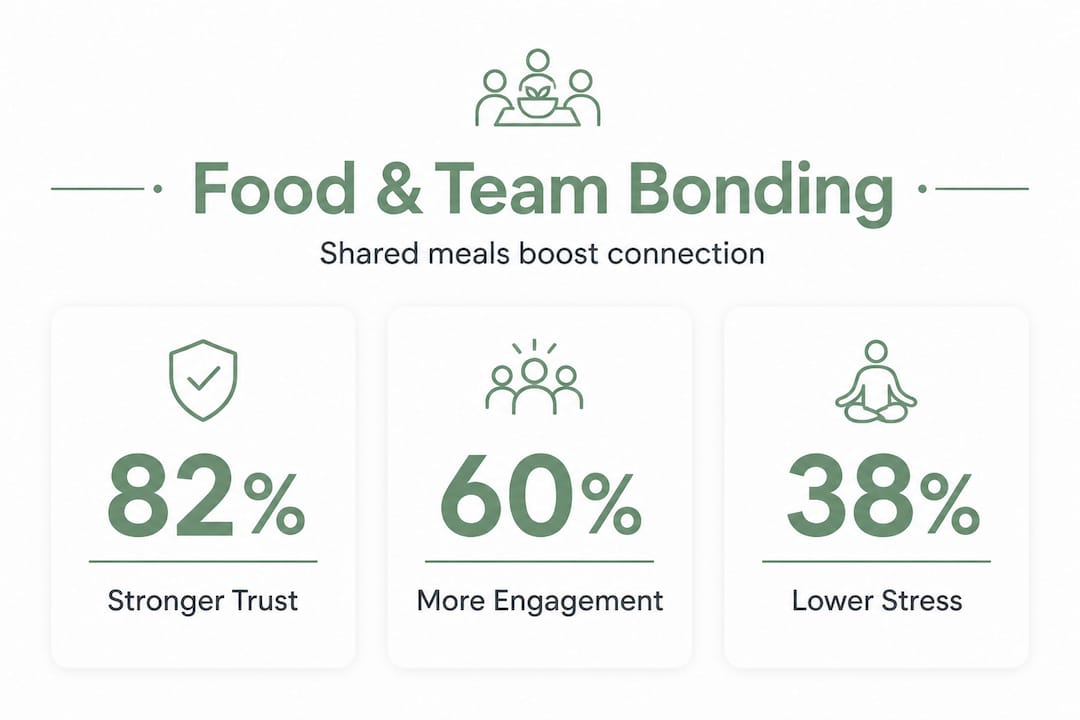
- Sharing meals with colleagues enhances trust, creativity, and team cohesion at levels comparable to socioeconomic factors.
- Hands-on culinary workshops in Berlin, focused on cultural and collaborative activities, foster deeper bonds and psychological safety.
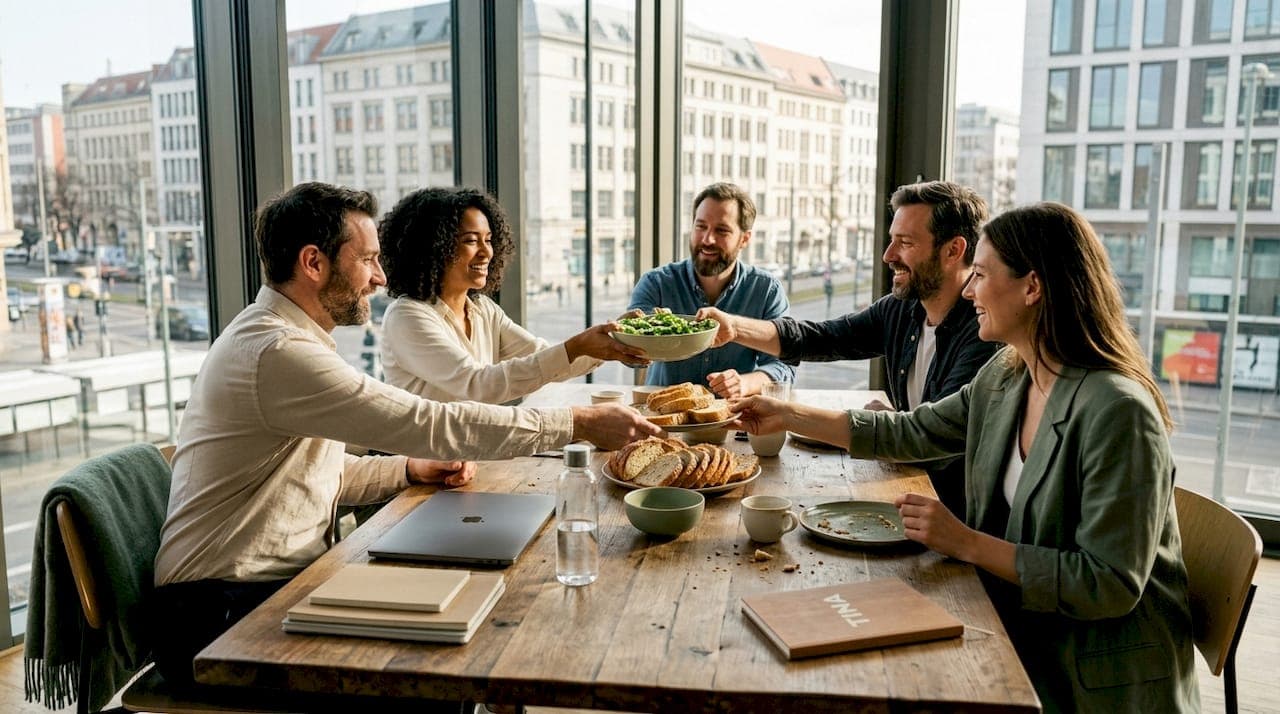
Eating together might be the most underused team-building tool you have. While companies spend thousands on off-sites, strategy retreats, and yes, escape rooms, research shows that shared meals and food activities enhance team cohesion and wellbeing at levels comparable to income and socioeconomic factors. That's a striking finding. Food isn't just a nice perk at the end of a workshop. It's a mechanism for trust, creativity, and genuine connection. This article breaks down the science, shows you what works in real Berlin team settings, and helps you avoid the common traps.
Table of Contents
- The science behind food and team bonding
- Hands-on culinary workshops: Bringing teams closer in Berlin
- Common pitfalls: When food fails to create connection
- Making food-based bonding activities truly effective
- Looking deeper: Why food unlocks connection that other activities miss
- Discover curated culinary team bonding in Berlin
- Frequently asked questions
Key Takeaways
| Point | Details |
|---|---|
| Food builds trust | Groups sharing meals release hormones that foster mutual trust and deeper team bonds. |
| Culinary workshops matter | Collaborative hands-on cooking events create richer, more impactful connections than typical team activities. |
| Inclusivity is essential | Allowing dietary, cultural, and participation preferences prevents stress and excludes no one. |
| Evidence-based approaches | Use sensory evaluations and participant input for measurable and engaging team experiences. |
The science behind food and team bonding
Food does something to people that a PowerPoint slide simply cannot. When you eat with others, your brain releases endorphins and oxytocin. These are the same chemicals triggered by laughter, physical touch, and shared achievement. Food triggers trust hormones that mirror what happens during physical bonding activities, and cooking adds another dimension: vulnerability and creativity working side by side.
Think about what happens when a team cooks together. Nobody is a perfect chef. The pasta sticks, the chocolate tempering goes wrong, the pizza dough tears. In those moments, hierarchy collapses. The senior manager is just as lost as the new hire. That shared imperfection is powerful. It opens the door to real conversation and genuine laughter.
"Shared meals create a space where professional roles fade. What's left is just people figuring something out together." This is the kind of environment where trust grows fastest.
The psychological benefits of communal food activities are well documented. Here's what regularly shows up in the research:
- 🧠 Increased psychological safety within the group
- 🤝 Faster trust formation compared to passive team events
- 🎨 Stimulated creativity through hands-on, sensory engagement
- 😄 Higher positive affect and lower stress after shared eating experiences
- 💬 Improved communication as informal settings lower social guards
Exploring hands-on team events is one of the most effective ways to activate these benefits intentionally. The key is not just eating together passively, but engaging with the process of preparing and creating food as a group.
Hands-on culinary workshops: Bringing teams closer in Berlin
The science is compelling. But what does it look like in practice, especially for teams in Berlin?
Research on commensality, the practice of eating and preparing food together, shows that group meals foster shared values and mutual bonds. A case study of 41 military recruits found that eating together accelerated acquaintance, built collective reality, and deepened group identity faster than non-food activities. That effect transfers directly to corporate teams.
Berlin has a rich culture of craft and food, making it an ideal city for culinary workshops. From pasta-making with Italian artisans to chocolate crafting in local ateliers, the options are genuinely diverse. Here's a comparison of popular workshop formats to help you choose:
| Workshop type | Key outcome | Best team size | Cultural richness |
|---|---|---|---|
| 🍕 Pizza making | Collaboration and laughter | 8 to 25 people | High (Italian craft) |
| 🍫 Chocolate crafting | Creativity and sensory focus | 6 to 20 people | High (artisan tradition) |
| 🍝 Pasta making | Patience and teamwork | 8 to 20 people | Very high |
| 🍳 Cross-cultural meal | Cultural awareness and empathy | 10 to 30 people | Exceptional |
| 🌿 Sustainable food workshop | Values alignment and purpose | 8 to 25 people | Medium to high |
Each of these formats works because they demand real participation. Nobody watches from the sidelines. Check out cooking classes for teams in Berlin for hands-on options across these formats.
What makes a culinary workshop truly effective for bonding? It's not just the food itself. Workshops that lean into creative collaboration for teams generate richer conversations and more memorable shared moments. Cultural relevance also matters a lot. When a workshop connects to a real tradition, handled by a real artisan, people learn something beyond the recipe. They walk away with a story.
You can deepen the value even further by exploring cultural workshops for corporates that blend food with local heritage. Many of the most effective Berlin-based sessions draw on food rituals from Italian, Middle Eastern, and Eastern European traditions, all deeply embedded in the city's identity.
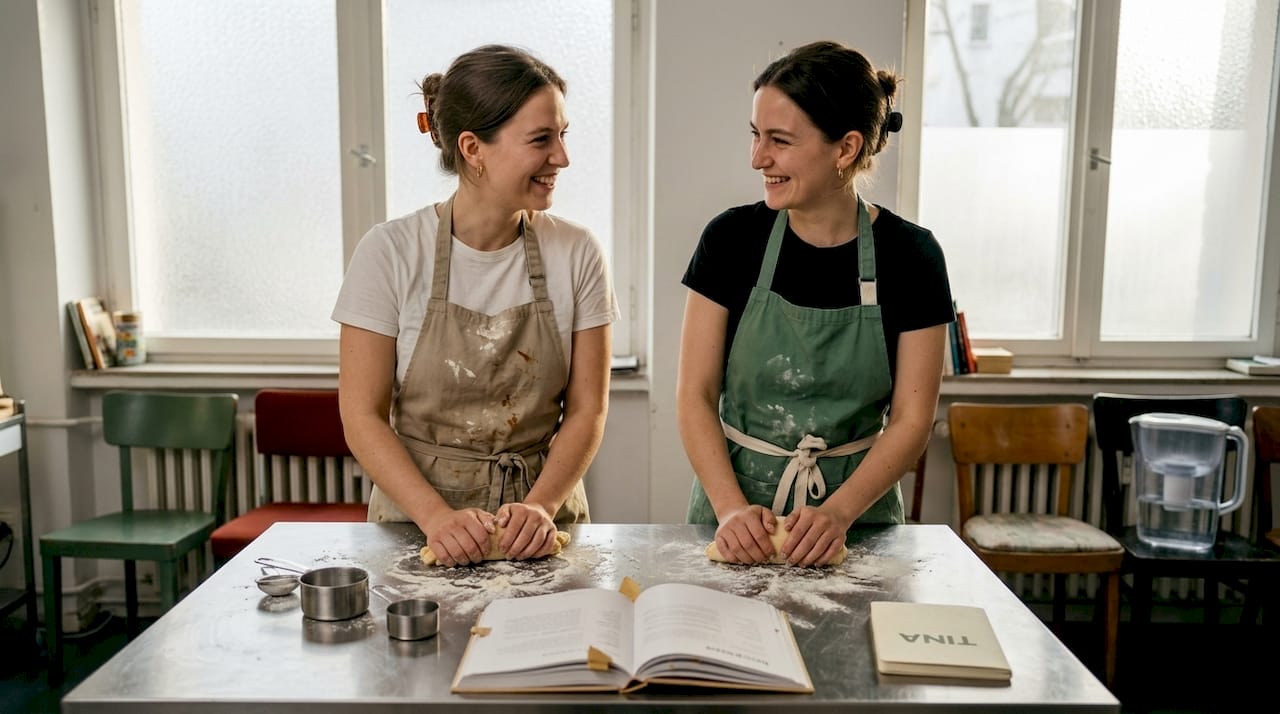
Pro Tip: When choosing a culinary workshop, prioritize formats where the team must work together to create a single shared outcome rather than individual dishes. The moment everyone tastes something they made as a group, the bond is real.
The magic of shared eating experiences is well recognized across cultures, from communal Italian dinners to festive hostel-style shared tables.
Common pitfalls: When food fails to create connection
Food doesn't automatically build bonds. Context matters enormously, and a few avoidable mistakes can turn a well-intentioned event into a source of discomfort.
Research on group dining highlights that stress and perceived inequality during shared meals can actively reduce cohesion rather than build it. If the seating arrangement reinforces hierarchy, if certain dietary needs are ignored, or if participation feels mandatory and performative, the food stops being a connector and starts feeling like a chore.
There are also generational shifts worth noting. Younger team members may be more used to solitary eating habits, which means a communal food event can feel unfamiliar or even uncomfortable if it's not designed thoughtfully. Additionally, some research suggests that when food events involve perceived dominance or control, for example a manager who leads too aggressively, the bonding effect weakens.
Here's a clear overview of the most common pitfalls and their impact:
| Pitfall | Impact on team dynamics |
|---|---|
| Ignoring dietary restrictions | Exclusion and discomfort |
| Mandatory participation | Resentment and low engagement |
| Hierarchy-reinforcing seating | Missed opportunity for real connection |
| Stressful or competitive format | Anxiety replaces openness |
| Poor facilitation | Awkward silence and disengagement |
To run a food-based event that genuinely connects your team, follow these steps:
- Survey dietary needs and preferences before booking anything.
- Frame the event as optional but welcoming to reduce pressure.
- Choose a format that mixes skill levels, so nobody dominates.
- Work with a skilled facilitator or artisan who knows how to draw people in.
- Set expectations clearly: this is about fun and learning, not performance.
Understanding the benefits of workshop events can help you articulate the value to stakeholders before the event even happens.
Pro Tip: Always check dietary preferences and allergies at least two weeks in advance, and make participation feel like an invitation rather than a calendar block. Teams opt in more enthusiastically when they feel genuine agency.
Making food-based bonding activities truly effective
Getting the most out of a culinary team event requires more than good food and good intentions. You need a framework.
Empirical data shows that higher social eating scores are linked to greater positive affect and lower negative affect, with statistically meaningful associations. In plain terms: teams that eat together more intentionally feel better and work better together. The design of the experience matters as much as the food itself.
For HR managers and team leads, sensory evaluations and participant-driven methods like photo interventions and World Cafés offer practical ways to measure bonding quality and participant satisfaction after a workshop. These aren't complicated tools. A simple post-event feedback form with sensory and emotional prompts tells you far more than a basic rating scale.
Here's what evidence-backed culinary team events consistently include:
- 🎯 A clear shared goal: Everyone works toward one outcome, not separate achievements.
- 🙌 Hands-on participation for all: No observers, no passive roles.
- 🌍 Cultural context: A story behind the food, shared by someone who knows it well.
- 💬 Unstructured social time: Let the conversation happen naturally over what you've made.
- 📝 Light post-event reflection: A brief check-in that anchors the shared memory.
Explore collaborative workshops for bonding in Berlin that are already designed around these principles.
Looking deeper: Why food unlocks connection that other activities miss
Here's the honest take. Most team-building activities put people in a context that still feels like work. A trivia game has winners and losers. A strategy workshop has a deliverable. Even a escape room has a clock ticking down.
Food is different. It's one of the few human activities where the act of doing, tasting, smelling, creating, and sharing is the entire point. There's no wrong answer in a pasta-making session. There's just flour on your shirt and a table full of people laughing.
That vulnerability is the key. When someone admits they've never made chocolate before, or asks a colleague to help them roll dough, something shifts. The professional armor comes off. What's left are real people, capable of real connection.
The most effective food-based bonding happens when the activity is genuinely hands-on and culturally grounded. Not a catered lunch. Not a cooking show format. A workshop where you stand side by side with an artisan who has spent years mastering a craft, and you try to do it yourself. That's humbling in the best possible way.
Your team's dynamic will change when they share something they built together. We've seen it happen repeatedly. Check the team bonding workflow to understand how to structure this for your specific team needs.
Discover curated culinary team bonding in Berlin
You now have the research, the frameworks, and the pitfalls mapped out. The next step is simple: find an experience worth showing up for.
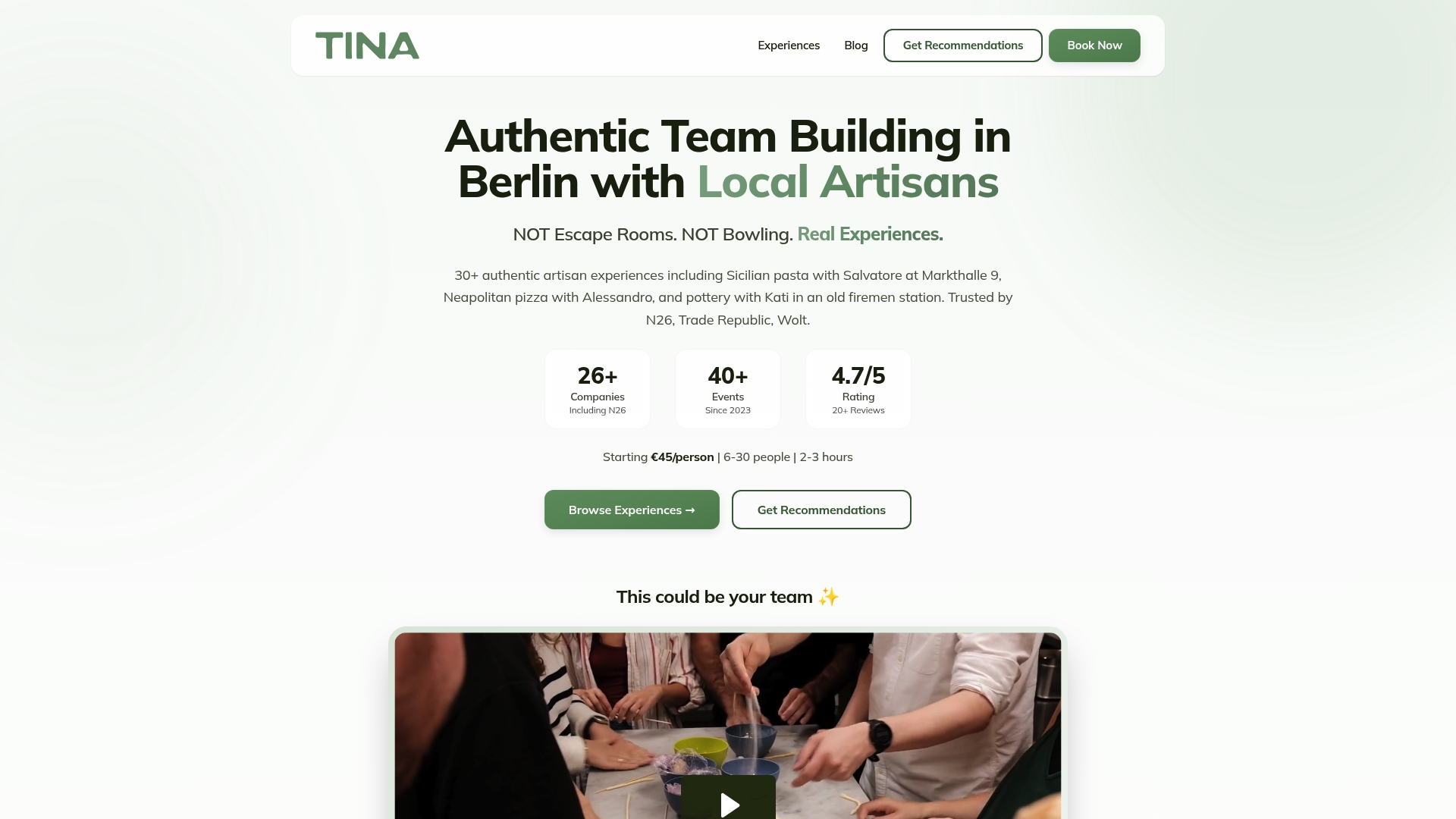
At TINA, we connect Berlin-based corporate teams with real local artisans for hands-on culinary workshops that actually work. Pizza making, chocolate crafting, pasta sessions, and more, all bookable with transparent pricing and easy invoicing. Whether you're planning a team event for 10 or 50, we've got formats that fit. Explore authentic team building in Berlin and browse what's available for your group. Ready to plan something bigger? You can also plan your team offsite with food at the center of it.
Frequently asked questions
How does sharing meals improve team wellbeing?
Shared food activities boost cohesion at levels comparable to major socioeconomic factors like income, making them one of the most impactful yet underused tools for team wellbeing.
What are the best types of culinary workshops for team bonding?
Workshops focused on collaborative cooking and cultural sharing work best, since commensality builds mutual bonds and shared values more effectively than passive group activities.
Are there risks with food-based bonding events?
Yes. Stress and perceived inequality during meals can actually reduce cohesion, so designing inclusive, low-pressure events with clear facilitation is essential.
How can we measure the effectiveness of culinary team activities?
Sensory evaluations and participant-driven methods such as photo interventions and World Cafés offer nuanced, practical insights into how well a food-based activity supported bonding and satisfaction.
Recommended
- Hands-on team events in Berlin that boost collaboration
- Authentic team building: meaningful connections for your team
- What is corporate team bonding? A 2026 guide for Berlin teams
- How to create memorable team events that build real collaboration
- Fusionar comida callejera: experiencias únicas en Barcelona - Desi Galli
- Les bénéfices du partage d’antipasti pour vivre ensemble