

TL;DR:
- All hands meetings aim to foster company cohesion through purposeful, interactive activities within a structured 45-60 minute format. Incorporating engagement like recognition, visual updates, breakout sessions, and safe Q&A builds trust and enhances team culture, especially in hybrid settings. The success of these meetings depends on thoughtful activity choices that promote genuine participation and reinforce company values.
All hands meeting activities are purposeful, company-wide engagements designed to boost cohesion, communication, and culture by involving every employee in meaningful, interactive experiences. The industry standard for 2026 calls for structured meeting segments lasting 45–60 minutes total, with dedicated time for recognition, strategic updates, team spotlights, and Q&A. Most teams fail their all hands not because of bad content, but because they treat it as a broadcast instead of a conversation. The activities you choose to determine whether people leave energized or quietly relieved it's over.
1. What are the best icebreaker activities to open an all hands meeting?
The right team meeting icebreaker sets the tone before a single slide appears. Mixing polls, quick games, and fun questions holds attention better than any opening monologue, especially for remote participants dealing with screen fatigue.
Strong icebreaker formats include:
- Two truths and a lie posted in the chat before the meeting starts
- Live polls asking a lighthearted question ("What's your current energy level: coffee, tea, or chaos?")
- Photo prompts where team members share a picture from their desk or weekend
- Word clouds built from a single question like "Describe this quarter in one word"
These formats work because they lower the barrier to participation. Nobody needs to be brave to click a poll option.
Pro Tip: Send one pre-meeting question to all attendees 24 hours before the call. Ask something simple and personal, like "What's one thing you're proud of this month?" Read a few answers aloud at the start. Remote participants feel seen before the meeting even begins.
2. How can recognition and celebration activities boost morale during all hands meetings?
Recognition placed at the start of a meeting sets a positive tone and signals to the whole company what behaviors matter. Front-loading appreciation improves how people remember the meeting overall.
Effective recognition segments spotlight a range of contributions:
- Performance wins: hitting a sales target, shipping a product on time
- Innovation moments: a creative fix that saved the team hours
- Personal milestones: work anniversaries, new certifications, life events
- Peer nominations: let team members nominate colleagues before the meeting
Recognition segments should highlight both team and individual contributions to build broad engagement across departments.
"All-hands meetings act as inputs into culture evolution by generating feedback loops that inform future planning and reinforce employees feeling heard. Structured recognition is one of the most direct ways to make that feedback visible." — HR Morning
For hybrid teams, pair verbal recognition with a visual moment. Show the person's name and photo on screen. Ask them to say one sentence about the win. That 30 seconds creates a memory that a Slack message never will.
3. What engaging formats can effectively deliver strategic updates and team spotlights?

Text-heavy slides kill engagement. Visuals and dashboards showing key metrics outperform bullet-point decks in every measure of comprehension and attention. Show the actual numbers. Let the data speak.
Rotating team spotlights add variety and transparency. Each all hands, a different department gets 5–10 minutes to share what they are working on and why it matters. This format does three things at once: it educates the company, it gives teams ownership, and it breaks the monotony of leadership-only presentations.
Formats that work well for updates and spotlights:
- Short video clips (60–90 seconds) recorded by the team being spotlighted
- Live demos of a product feature or internal tool
- Before and after comparisons showing progress on a key initiative
- Quick polls mid-presentation to check comprehension or gather opinions
Pro Tip: Cap every spotlight at 7 minutes with a hard timer. Teams prepare better when they know the limit. Audiences stay sharper when they know it will end.
Varying content formats reduces cognitive overload and keeps energy up through the full meeting.
4. Why and how to incorporate breakout sessions and collaborative activities
Breakout sessions are the single most underused format in all hands meetings. Small groups of 3–5 participants with a focused conversation starter reduce the pressure to speak publicly and enable broader participation, especially from introverted or remote team members.
The logistics are simpler than most managers expect:
- Assign groups randomly before the meeting using your video platform's breakout feature
- Post one specific question in each room the moment groups open
- Set a timer for 8–10 minutes
- Bring everyone back and ask one person from each group to share a single insight
Effective breakout questions include prompts like "What is one thing leadership could do differently this quarter?" or "What is a process on your team that works really well and why?" Targeted questions focus discussions immediately and prevent groups from going off-topic.
| Format | Group size | Time needed | Best for |
|---|---|---|---|
| Open discussion | 3–5 people | 8–10 minutes | Idea generation |
| Structured Q&A | 4–6 people | 10–12 minutes | Problem-solving |
| Peer feedback | 2–3 people | 6–8 minutes | Personal reflection |
Pro Tip: For hybrid meetings, pair in-person attendees with remote ones intentionally. It forces the in-room group to use the digital tools and gives remote participants a direct connection to someone physically present.
These collaborative team exercises also work well as a follow-up to a company-wide offsite. Teams that build real collaboration in person carry that energy back into structured meeting formats.
5. How to optimize live Q&A and feedback activities for trust and transparency
Live Q&A is where all hands meetings either build trust or lose it. Pre-submitted and upvoted questions give leadership time to prepare honest answers and signal to employees that their concerns are taken seriously.
Best practices for a Q&A segment that actually works:
- Open an anonymous question form 48 hours before the meeting
- Let attendees upvote submissions so the most pressing questions rise to the top
- Assign a dedicated remote facilitator to monitor the chat and surface questions from virtual attendees
- Reserve 5 minutes at the end for live, unscreened questions to show real openness
- Publish unanswered questions in the post-meeting recap with written responses within 24 hours
Assigning remote facilitators and using live question upvoting tools creates equitable participation across in-person and remote audiences. That equity is what makes hybrid teams feel like one team.
Digital facilitation tools for Q&A and polling should integrate directly with your meeting platform. Switching between apps mid-meeting breaks flow and loses participants.
Send the meeting recap within 24 hours. Include decisions made, owners assigned, and every Q&A follow-up. Recaps with action items sustain engagement after the meeting ends and show employees that the conversation had real consequences.
For teams thinking beyond the meeting room, corporate travel incentives can complement a strong all hands culture by rewarding the behaviors you recognize publicly.
Key Takeaways
The most effective all hands meeting activities combine structured recognition, interactive formats, and small-group collaboration to build genuine cohesion across the whole company.
| Point | Details |
|---|---|
| Structure your timing | Keep meetings to 45–60 minutes with dedicated segments for recognition, updates, spotlights, and Q&A. |
| Open with recognition | Front-load appreciation to set a positive tone and signal which behaviors the company values. |
| Use breakout rooms | Groups of 3–5 with a focused question drive broader participation, especially for introverts and remote staff. |
| Pre-submit Q&A questions | Anonymous, upvoted questions build trust and give leadership time to respond honestly. |
| Send a 24-hour recap | Recaps with decisions, owners, and Q&A follow-ups extend engagement beyond the meeting itself. |
What I've learned about all hands meetings after running dozens of team events
All hands meetings are not event planning problems. They are culture problems. Most teams spend weeks on the slide deck and zero minutes thinking about how people will actually feel during the meeting.
The insight that changed how I think about this: the activities you choose reveal what you believe about your people. If you run a 60-minute broadcast with a 5-minute Q&A at the end, you are telling your team that their input is an afterthought. If you open with recognition, build in breakout conversations, and publish every unanswered question afterward, you are telling them something completely different.
The equalizing effect of tactile, hands-on experiences carries directly into meeting culture. When a team has done pottery or tufting together at a creative workshop in Berlin, the hierarchy softens. The senior engineer and the new hire both struggled with the clay. That shared memory makes the all hands Q&A feel less risky. People ask real questions because they already know each other as humans, not just job titles.
Remote versus in-person dynamics are real, but they are solvable. The teams that handle hybrid well are the ones that design for remote first and let in-person be the bonus, not the default.
— Tina
Real team-building that makes your next all hands land differently
Planning a great all hands meeting is one thing. Building the team culture that makes those activities actually work is another. That starts long before the meeting invite goes out.
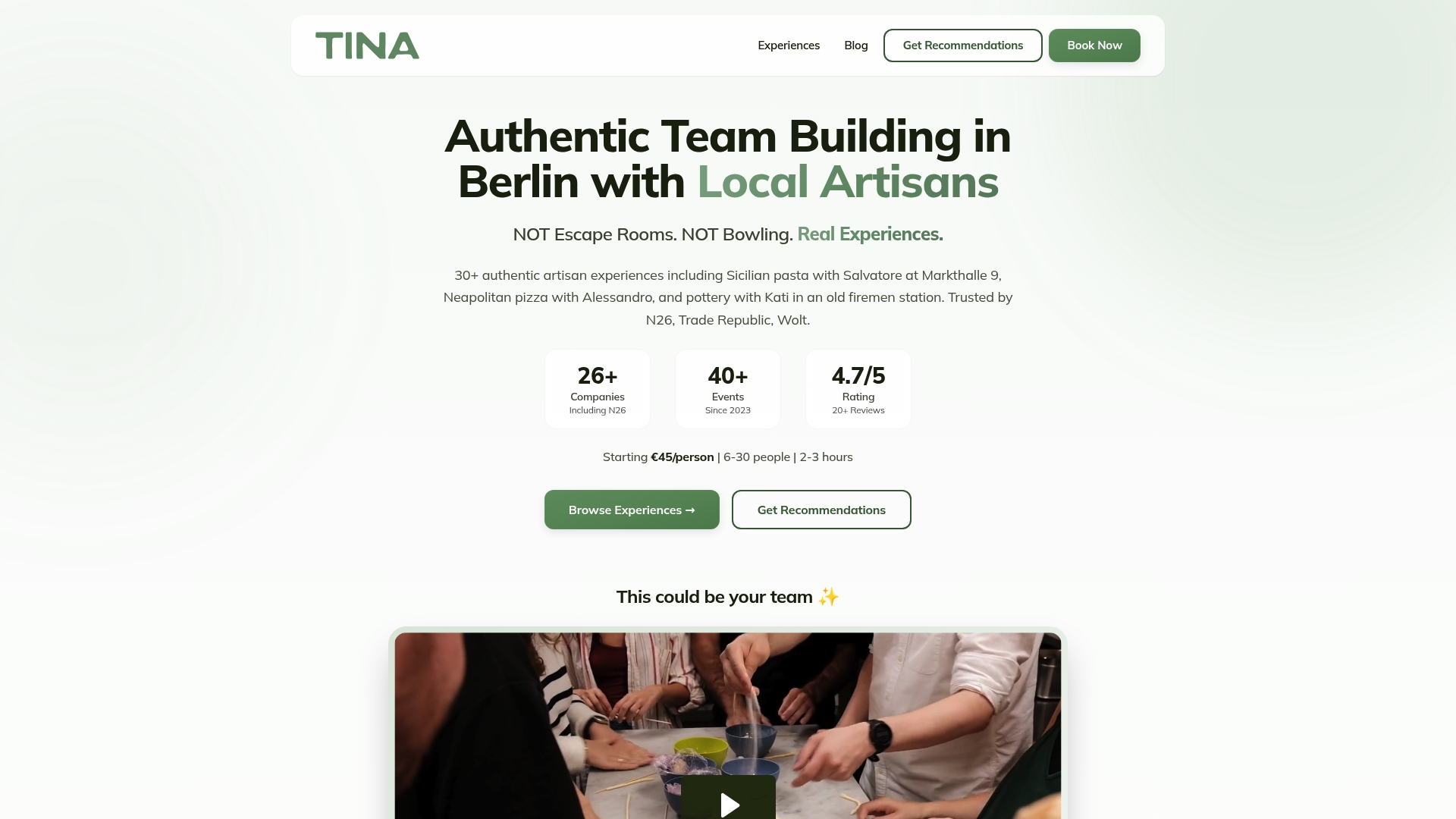
Tinaexperiences connects corporate teams in Berlin with real local artisans for hands-on workshops in pottery, tufting, pasta-making, and more. Companies like N26, Figma, and Wolt have used these experiences to break office hierarchy and build the kind of genuine connection that shows up in every meeting afterward. When the intern and the team lead are both beginners with clay, something shifts. You can browse team-building experiences or plan a full team offsite that sets the tone for the whole quarter.
FAQ
How long should an all hands meeting be?
The standard all hands meeting runs 45–60 minutes, with specific time blocks for recognition, strategic updates, team spotlights, and Q&A. Shorter meetings with clear structure outperform longer, unstructured ones every time.
What are the best icebreakers for a virtual all hands?
Live polls, word clouds, and pre-submitted personal questions work best for virtual all hands ideas because they require no courage to participate and work equally well on any video platform.
How do you make Q&A feel safe and honest?
Use an anonymous question form that opens 48 hours before the meeting and let attendees upvote submissions. Publishing answers to every question, including ones not addressed live, builds the trust that makes future Q&A sessions more open.
How often should you run an all hands meeting?
Monthly all hands meetings give teams enough time for meaningful updates without creating meeting fatigue. Quarterly formats work for smaller companies where communication channels are already tight.
What makes breakout sessions effective in all hands meetings?
Groups of 3–5 people with a single, specific conversation starter produce the most useful output. Random group assignment prevents cliques and exposes people to colleagues they rarely interact with.